Is Markedoneofthe.com a virus?
- Markedoneofthe.com is usually a redirect/adware symptom, not a normal website you need to keep.
- Block notifications if the site is allowed in Chrome, Edge, Firefox, or Safari.
- Remove unknown extensions and reset search/homepage settings if redirects continue.
- Scan the PC if it opens by itself or returns after browser cleanup.
Markedoneofthe.com is a fake search engine that hijacks browser settings and forces redirects. It can look like a normal search page, but it does not provide its own results and can push you through untrusted redirect chains.
The practical risk is not just annoyance. Redirects can lead to phishing pages, misleading offers, or push-notification spam, and the hijacker can track search terms and browsing behavior.
| Threat name | Markedoneofthe.com |
| Type | Search hijacker / browser redirect |
| Affected settings | Homepage, new tab, default search engine |
| Primary risk | Medium – phishing, tracking, unwanted redirects |
| Common source | Bundled installers, fake updates, shady downloads |
Markedoneofthe.com behaves like other search hijackers such as remove Yahoo search redirects, Search Marquis, MyWebSearch PUA, and fake search malvertising. You can review our Markedoneofthe.com URL analysis for a quick risk snapshot.
On Android, see Android malware guide. On iPhone, see iPhone calendar spam fix.
What is Markedoneofthe.com?
It is presented as a search engine, but it does not generate its own results and can route queries through third-party redirectors. Those redirect chains can lead to legitimate search engines or to untrusted pages that try to push scams or unwanted software.
Your homepage, new tab, or default search engine changes without your approval, and your browser starts redirecting searches through Markedoneofthe.com. You may also see more pop-ups, push-notification prompts, or new extensions you do not remember installing.
Most cases come from bundled installers, fake update prompts, or download pages that hide add-ons in “recommended” settings. If you install without checking Advanced or Custom options, the hijacker can slip in.
How to remove Markedoneofthe.com
Step 1 – Remove notification permissions. Use the steps below to revoke notification access for Markedoneofthe.com and any other unfamiliar sites.
If markedoneofthe.com keeps showing unwanted pop-ups, you likely granted it permission to send notifications. To stop them, you need to revoke that permission in your browser settings.
- Copy and paste this into the address bar:
chrome://settings/content/notifications - Scroll down to the Allowed to send notifications list.
- Find markedoneofthe.com.
- Click the three dots (...) next to it and select Remove (or Block).
- Open Safari and go to Settings (or Preferences).
- Click the Websites tab and select Notifications on the left.
- Find markedoneofthe.com in the list on the right.
- Select it and click Remove (or change "Allow" to "Deny").
- Copy and paste this into the address bar:
about:preferences#privacy - Scroll down to Permissions and click Settings... next to Notifications.
- Type markedoneofthe.com in the search bar or find it in the list.
- Select the site and click Remove Website.
- Copy and paste this into the address bar:
edge://settings/content/notifications - Look under the Allow section.
- Find markedoneofthe.com.
- Click the three dots (...) next to it and select Remove (or Block).
- Copy and paste this into the address bar:
brave://settings/content/notifications - Scroll to the Allowed to send notifications list.
- Find markedoneofthe.com.
- Click the three dots (...) and select Remove (or Block).
- Copy and paste this into the address bar:
opera://settings/content/notifications - Check the Allowed to send notifications list.
- Find markedoneofthe.com.
- Click the three dots next to it and select Remove.
Step 2 – Remove suspicious extensions. Unwanted add-ons can keep the redirect loop alive. Use the built-in removal steps below and disable anything you did not install on purpose.
- Launch Chrome.
- Click the three dots (...) in the top right corner.
- Select Extensions > Manage Extensions.
- Click Remove next to the extension you want to delete.
Quick Access: Type chrome://extensions/ in the address bar.
- Open Safari.
- In the menu bar, click Safari and select Settings (or Preferences).
- Click on the Extensions tab.
- Select the extension and click Uninstall.
- Click the menu button, select Add-ons and themes.
- Go to the Extensions tab.
- Click the three dots (...) next to the extension and select Remove.
Quick Access: Type about:addons in the address bar.
- Launch Microsoft Edge.
- Click the three dots (...) in the top right corner.
- Select Extensions.
- Find the extension and click Remove.
Quick Access: Type edge://extensions/ in the address bar.
- Launch Brave browser.
- Click the menu icon > Extensions.
- Find the extension and click Remove.
Quick Access: Type brave://extensions/ in the address bar.
- Launch Opera.
- Click the Opera logo in the top left corner.
- Select Extensions > Extensions.
- Click the X or Remove button next to the extension.
Quick Access: Type opera://extensions/ in the address bar.
Step 3 – Reset browser settings. If the redirects keep returning, reset the browser to its default state. This clears hidden settings and restores normal behavior without deleting saved passwords.
- Tap on the three dots (...) in the top right corner and Choose Settings.
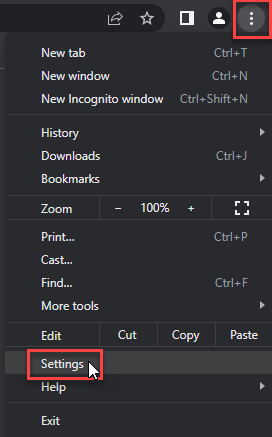
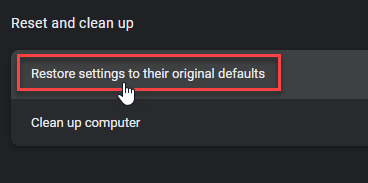
- Choose Reset and Clean up and Restore settings to their original defaults.
- Tap Reset settings.
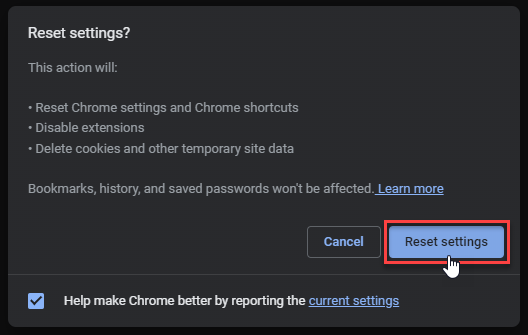
Quick Access: Type chrome://settings/reset in the address bar.
- Open Safari.
- In the menu bar, click Safari > Clear History.
- Select all history and click Clear History.
- Go to Safari > Settings (or Preferences).
- Click the Privacy tab and select Manage Website Data... > Remove All.
- In the Advanced tab, check Show features for web developers.
- In the menu bar, select Develop > Empty Caches.
- Launch Brave browser.
- Click the menu icon in the top right corner and select Settings.
- Click Additional settings > Reset settings.
- Tap Restore settings to their original defaults.
- Confirm by clicking Reset settings.
Quick Access: Type brave://settings/reset in the address bar.
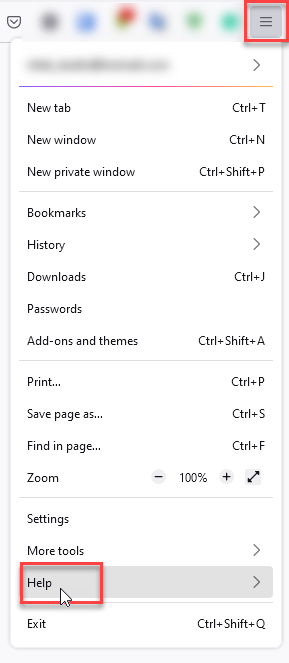
- In the upper right corner tap the three-line icon and Choose Help.
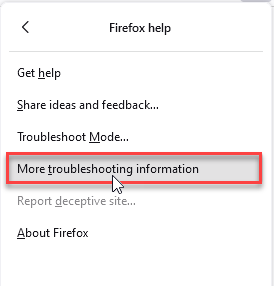
- Choose More Troubleshooting Information.
- Choose Refresh Firefox... then Refresh Firefox.
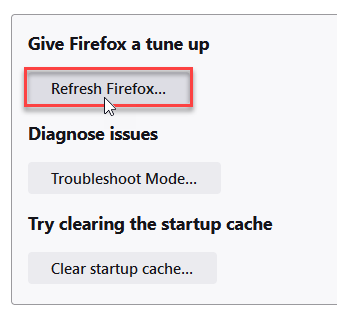
Quick Access: Type about:support and click Refresh Firefox.
- Tap the three dots.
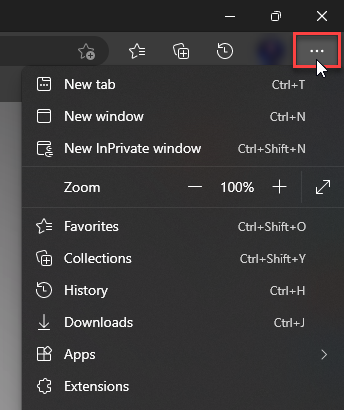
- Choose Settings.
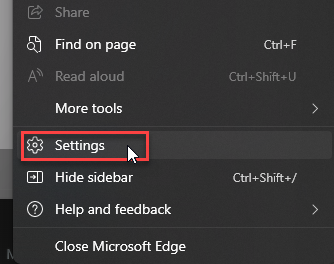
- Tap Reset Settings, then Click Restore settings to their default values.
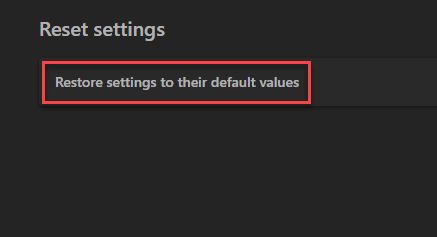
Quick Access: Type edge://settings/reset in the address bar.
- Launch the Opera browser.
- Click the Opera menu button in the top left corner and select Settings.
- Scroll down to the Advanced section in the left sidebar and click Reset and clean up.
- Click Restore settings to their original defaults.
- Click Reset settings to confirm.
Quick Access: Type opera://settings/reset in the address bar.
After reset, verify that markedoneofthe.com is no longer set as your default search engine or homepage.
Step 4 – Remove suspicious apps. If you see unfamiliar programs installed around the time the redirects began, remove them using the steps below.
If you see any suspicious applications that you don't remember installing, you should remove them as well.
- Right-click the Start button and select Installed Apps (or Apps & Features).
- Scroll through the list to find suspicious app or any other unfamiliar program.
- Click the three dots (...) next to it and select Uninstall.
- Open Finder and go to the Applications folder.
- Locate suspicious app or any app you don't recognize.
- Drag it to the Trash.
- Empty the trash to remove it permanently.
- Go to Settings > Apps > See all apps.
- Find suspicious app or any suspicious app in the list.
- Tap on it and select Uninstall.
Step 5 – Run a full scan. A hijacker can drop helpers that restore settings. Use a full scan to remove leftovers.
After uninstalling the suspicious app or deleting the visible threat, use Gridinsoft Anti-Malware to check hidden files, startup entries, scheduled tasks, bundled apps, browser changes, and other persistence points that can restore malware.
Download Anti-Malware- Press Win + R, type regedit, and hit Enter.
- Navigate to:
HKEY_LOCAL_MACHINE\SOFTWARE\Policies\ - Look for folders named Google, BraveSoftware, or Microsoft (under Edge).
- If you see a Policies subfolder with unknown keys inside, right-click and Delete it.
- Repeat for:
HKEY_CURRENT_USER\SOFTWARE\Policies\
Warning: Be careful when editing the registry. Deleting the wrong key can cause system issues.
- Click the Apple menu > System Settings (or System Preferences).
- Search for Profiles. If the icon isn't there, no profiles are installed.
- Select any suspicious profile (e.g., "Chrome Settings", "Admin Profile").
- Click the minus (-) button to remove it.
Open the built-in policy page to see rules that markedoneofthe.com may have applied:
- Chrome:
chrome://policy - Brave:
brave://policy - Edge:
edge://policy
Look for policies with names like ExtensionInstallForceList or HomepageLocation.
Persistence is common: if your homepage or search engine resets after a reboot, a hidden policy or startup item is reapplying the same settings. Verify your browser again after cleanup.
If a redirect opens from Windows instead of only inside the browser, compare it with the Pop-broker.com command-prompt and scheduled-task cleanup guide before you reset the browser again.
Prevention
Download software only from official sources, avoid crack sites, and review install steps carefully. Decline optional add-ons and block notification prompts from unfamiliar sites.
FAQ
Is Markedoneofthe.com a virus?
It is a browser hijacker and redirector rather than a classic file-infecting virus, but it still creates privacy and scam risks.
Why does it keep coming back?
A hidden extension, policy, or startup helper can reapply the same homepage and search engine settings after a reboot.
Can it steal data?
It can track searches and redirect you to phishing pages that attempt to collect credentials or payment data.
Will resetting the browser remove it?
A reset helps, but if persistence exists, you also need to remove the extension or app that reintroduces the settings.