DLL files are not automatically viruses: they are Windows libraries that can contain executable code. The important question is which program loads the file and where the file came from. A DLL saved in Downloads is different from one you copied into a game’s folder before launching the game. If an app reports a missing DLL, repair the app or its official runtime package instead of choosing a replacement by filename alone.
What is a DLL file?
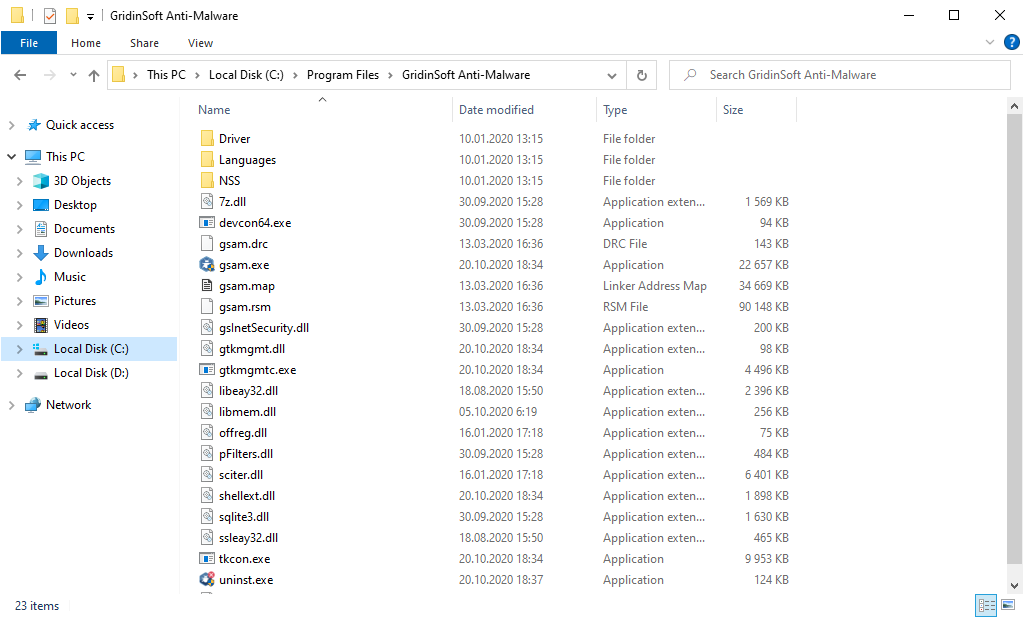
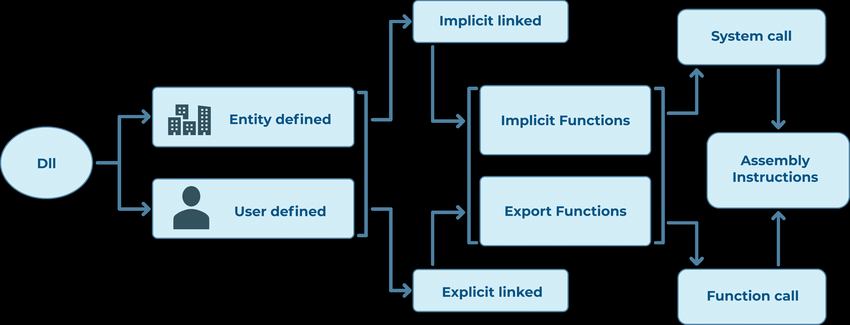
DLL stands for Dynamic Link Library. Instead of placing the same functions inside every program, Windows and application developers can store reusable code in a .dll file and let multiple programs call it at run time. Microsoft describes DLLs as libraries that can contain code, data, and resources used by more than one Windows program.
This design keeps applications smaller and easier to update. For example, a program can use one library for interface elements, another for printing, and another for hardware or runtime functions. When the library is updated correctly, every program that depends on it can benefit without rebuilding the whole application.
Why DLL files go missing
Missing DLL errors are common because the message names the file that failed to load, not always the root cause. The real problem is often one of these:
- the application was installed incorrectly or partially removed;
- a Visual C++ Redistributable, DirectX component, driver package, or game runtime is missing;
- Windows system files are corrupted after a crash, failed update, or disk problem;
- security software quarantined a DLL that was suspicious or infected;
- a cracked installer, mod, cheat, or fake update replaced a legitimate DLL with a malicious one;
- the program is 32-bit but the copied DLL is 64-bit, or the reverse.
Do not download random DLL files
If Windows says vcruntime140.dll, msvcp140.dll, d3dx9_43.dll, or another DLL is missing, the safe fix is to repair the source package, not to grab one file from a DLL download site. A standalone DLL from the web may be outdated, unsigned, incompatible with your app, or intentionally modified. For a gaming example, repair the PlayStation PC SDK Runtime from the verified game folder instead of downloading its MSI or DLL separately.
Use this safer order instead:
- Reinstall or repair the application that shows the error.
- Install the official runtime package, such as the supported Microsoft Visual C++ Redistributable, DirectX runtime, or vendor driver package.
- Run Windows Update and reboot before testing again.
- For Windows component errors, open Command Prompt as administrator and run
DISM.exe /Online /Cleanup-Image /RestoreHealth. After it completes successfully, runsfc /scannowand wait for verification to finish.[4] - If the DLL was quarantined, check the detection name, file path, and source before restoring anything.
For broader Windows repair steps, use our Windows 10/11 repair guide instead of replacing files manually.
When DLL files are dangerous
A DLL is not dangerous just because it has a .dll extension. The risk depends on where it came from, how it is loaded, and whether it is signed and expected by the program. Be suspicious when a DLL appears in a download, archive, game crack, mod folder, temporary directory, or startup path that does not match the software you meant to install.
Malware often abuses DLL loading because Windows applications search specific locations when they load libraries. If an attacker places a malicious DLL where a trusted program searches first, the trusted program may load the attacker-controlled file. This is the basis of DLL hijacking and DLL sideloading. We cover that technique in more detail in our DLL search order hijacking article, and a recent example is the nethost.dll ProtonVPN cleanup case.
Downloaded a DLL but did not open it?
A DLL does not have to be double-clicked to execute: another program can load it. For example, if you downloaded example.dll and left it in Downloads, that alone does not establish that its code ran. If you copied it beside a game executable and then started the game, the game may have loaded it. Keep an unexpected file out of application and Windows folders, and do not register or load it just to test whether it is safe.
The phrase “DLL files” also names a file type; it is not a safety verdict for a similarly named download website. Reviews of a download site cannot establish that a particular DLL matches your application’s publisher, version, and architecture. If you already launched an app after adding an unknown DLL, scan the device and reinstall that app from its official source if the file was untrusted or detected.
How to check a suspicious DLL
Before opening, copying, or restoring a suspicious DLL, collect context:
- Path:
C:\Windows\System32andC:\Windows\SysWOW64can be legitimate system locations, but malware can also use lookalike names elsewhere. - Signature: right-click the file, open Properties, and check Digital Signatures. Missing or mismatched signatures are a warning for system/vendor DLLs.
- Source: a DLL from an official installer is different from one bundled with a crack, fake updater, or random ZIP archive.
- Timing: if the DLL appeared right before popups, browser redirects, disabled security tools, or blocked outbound traffic, treat it as suspicious.
- Detection: scan the file with your security tool and use the Gridinsoft Online Virus Scanner when you need a quick second opinion.
If a security tool quarantined the file, do not restore it only because an app complains. First reinstall the affected app from its official source and scan the original installer.
Safe fixes for common DLL errors
- Visual C++ DLL names: install the latest supported Microsoft Visual C++ Redistributable from Microsoft, then reboot.
- DirectX game DLL names: install the official DirectX runtime or verify the game files through Steam, Epic, GOG, or the vendor launcher.
- Printer, audio, GPU, or chipset DLL names: reinstall the driver from the device vendor or Windows Update, not a DLL mirror.
- App-specific DLL names: repair or reinstall that app. Copying the file into
System32is rarely the right fix. - Bonjour
mdnsNSP.dllLSA warning: keep LSA protection on and use the mdnsNSP.dll path, signature, update, and uninstall guide instead of unregistering or deleting the library. - Repeated missing-DLL errors after malware: scan the system, repair Windows files, and reinstall affected applications from clean installers.
Related Defender DLL Alerts
If a DLL path is flagged by Microsoft Defender as Trojan:Win64/Tedy!MTB, do not download a replacement DLL from random sites. Keep quarantine, verify the parent app, and scan the surrounding folder for side-loading or persistence.
FAQ
Are DLL files viruses?
No. DLL files are normal Windows library files. A DLL becomes a threat when it is malicious, replaced, loaded from an unsafe location, or bundled with suspicious software.
Is it safe to put a downloaded DLL into System32?
Usually no. Copying a random DLL into System32 can break other software and may add malware. Repair Windows, reinstall the app, or install the official runtime package instead.
Why does my game say a DLL is missing?
The game may need a runtime package, DirectX component, launcher repair, or file verification. Use the official launcher repair option first, then install the vendor runtime if needed.
Should I restore a quarantined DLL?
Only after you verify the source, path, signature, and detection context. If the DLL came from a crack, mod, fake update, or unknown archive, reinstall the clean app and keep the suspicious file quarantined.
References
- Microsoft Learn. “Dynamic link library (DLL).” Microsoft, updated January 15, 2025, accessed June 6, 2026. https://learn.microsoft.com/en-us/troubleshoot/windows-client/deployment/dynamic-link-library
- Microsoft Learn. “Dynamic-Link Library Security.” Microsoft, accessed June 6, 2026. https://learn.microsoft.com/en-us/windows/win32/dlls/dynamic-link-library-security
- Microsoft Learn. “Latest supported Visual C++ Redistributable downloads.” Microsoft, accessed June 6, 2026. https://learn.microsoft.com/en-us/cpp/windows/latest-supported-vc-redist
- Microsoft Support. “Using System File Checker in Windows.” Accessed September 8, 2026. Using System File Checker in Windows