Search-crown.com is a browser search redirect symptom, not a search engine you should keep as your default. If Chrome, Edge, or Firefox sends address-bar searches through Search-crown.com, remove recently added extensions first, restore the search engine and startup settings, then check browser sync and policy settings if the redirect comes back. Scan Windows for adware or PUA activity when the change followed a free installer, fake update, cracked app, or unknown browser add-on.
What Is Search-crown.com?
Search-crown.com is best treated as an unwanted search-redirect domain. In user reports, the problem often starts as a normal browser search: the user types into the address bar, the browser briefly passes through Search-crown.com or a similar domain, then lands on another search or warning page. That pattern usually points to an extension, search-engine setting, browser policy, shortcut, or adware component rather than the domain being a standalone desktop program.
The key is to remove the source, not only the visible URL. If the redirect is stored in browser sync, a second device may reintroduce it. If it is enforced by policy, normal search-setting changes may not stick. If it is restored by a Windows startup item or scheduled task, the redirect can return after a reboot.
Common Symptoms
- Chrome address-bar searches briefly show
search-crown.combefore opening another search page. - The default search engine, homepage, or new-tab page changes without a clear reason.
- An extension returns after removal, or a new “search helper” extension appears after browser sign-in.
- Chrome or Edge shows Managed by your organization on a personal computer.
- Security tools block a destination after the Search-crown.com redirect chain.
- The same behavior appears on more than one device after browser sync is enabled.
Remove Suspicious Extensions First
Most exact-domain search redirects start in the browser. Remove extensions you do not recognize, especially search helpers, coupon tools, video downloaders, PDF converters, fake VPNs, cracked-software companions, or anything installed shortly before Search-crown.com appeared.
- Open the affected browser’s extensions page.
- Record suspicious extension names and IDs before removal if you need to investigate later.
- Disable the extension first, then test a new address-bar search.
- If the redirect stops, remove the extension.
- Repeat for other browsers that share the same profile or sync account.
- Launch Chrome.
- Click the three dots (...) in the top right corner.
- Select Extensions > Manage Extensions.
- Click Remove next to the extension you want to delete.
Quick Access: Type chrome://extensions/ in the address bar.
- Open Safari.
- In the menu bar, click Safari and select Settings (or Preferences).
- Click on the Extensions tab.
- Select the extension and click Uninstall.
- Click the menu button, select Add-ons and themes.
- Go to the Extensions tab.
- Click the three dots (...) next to the extension and select Remove.
Quick Access: Type about:addons in the address bar.
- Launch Microsoft Edge.
- Click the three dots (...) in the top right corner.
- Select Extensions.
- Find the extension and click Remove.
Quick Access: Type edge://extensions/ in the address bar.
- Launch Brave browser.
- Click the menu icon > Extensions.
- Find the extension and click Remove.
Quick Access: Type brave://extensions/ in the address bar.
- Launch Opera.
- Click the Opera logo in the top left corner.
- Select Extensions > Extensions.
- Click the X or Remove button next to the extension.
Quick Access: Type opera://extensions/ in the address bar.
Open Extensions/Add-ons again and remove any entry linked to Search-crown.com or clearly out of place.
Restore Search, Homepage, And Startup Settings
After removing suspicious extensions, set the browser back to a trusted search provider. Do not restore Search-crown.com as a custom search engine.
- Open browser settings and check Search engine, On startup, and Home page.
- Delete unknown custom search engines and site-search shortcuts.
- Remove Search-crown.com and unfamiliar domains from startup pages.
- Check notification permissions and remove suspicious allowed sites from the same time period.
- Restart the browser and run several searches from the address bar.
Official browser support documentation treats extensions, search settings, and add-ons as browser-level controls, which is why the first fix should happen inside the affected browser rather than by deleting random files [1] [2] [3].
Check Sync, Policy, And Management Flags
If Search-crown.com comes back after you remove it, pause browser sync before changing settings again. Sync can restore extensions, search engines, and site settings from another device. Clean one browser profile, confirm the redirect is gone, then re-enable sync only after the same account is clean on other devices.
On Chrome or Edge, open chrome://policy or edge://policy. On a personal PC, forced extension policies, search-provider policies, or unexplained management entries are suspicious. If the browser says it is managed but this is not a work or school device, use our Managed by Your Organization cleanup guide before assuming a normal settings reset will hold.
Check Windows For The Restoring Component
When all browsers are affected, or when the redirect returns after reboot, inspect Windows for an unwanted app or persistence entry.
- Uninstall unfamiliar apps installed near the first Search-crown.com redirect.
- Disable unknown Startup apps in Task Manager.
- Review Task Scheduler for entries that launch a browser, script, updater, or AppData executable.
- Check browser shortcuts and remove extra URLs after the executable path.
- Look for proxy, DNS, or hosts-file changes if security sites are blocked.
- Run a full security scan if the redirect followed a download, fake update, cracked app, or unknown extension.
For a broader cleanup path, use the PUA and browser hijacker removal guide. If extra tabs or ads open without a search, compare the behavior with our guide for a browser that opens multiple tabs by itself.
If you see Search-crown.com or other suspicious applications that you don't remember installing, you should remove them as well.
- Right-click the Start button and select Installed Apps (or Apps & Features).
- Scroll through the list to find Search-crown.com or any other unfamiliar program.
- Click the three dots (...) next to it and select Uninstall.
- Open Finder and go to the Applications folder.
- Locate Search-crown.com or any app you don't recognize.
- Drag it to the Trash.
- Empty the trash to remove it permanently.
- Go to Settings > Apps > See all apps.
- Find Search-crown.com or any suspicious app in the list.
- Tap on it and select Uninstall.
Reset The Browser Only After Removing The Source
A browser reset can clear search engines, startup pages, cookies, and site permissions, but it does not always remove the component that restored the setting. Reset after you remove suspicious extensions and check policy/startup entries. Otherwise, Search-crown.com may return as soon as the browser syncs or the restoring task runs again.
- Tap on the three dots (...) in the top right corner and Choose Settings.
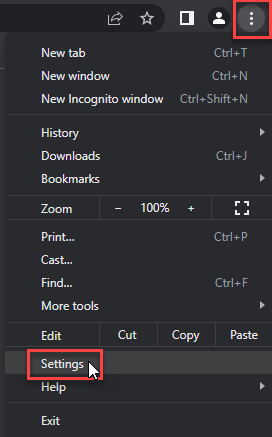
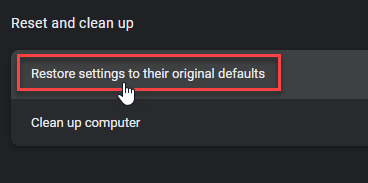
- Choose Reset and Clean up and Restore settings to their original defaults.
- Tap Reset settings.
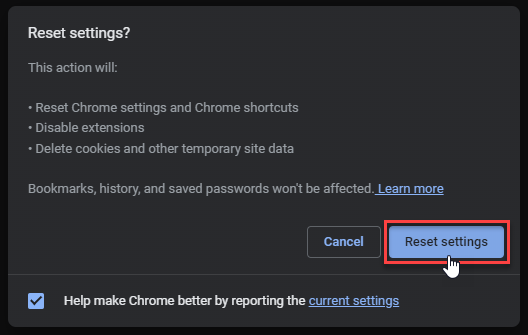
Quick Access: Type chrome://settings/reset in the address bar.
- Open Safari.
- In the menu bar, click Safari > Clear History.
- Select all history and click Clear History.
- Go to Safari > Settings (or Preferences).
- Click the Privacy tab and select Manage Website Data... > Remove All.
- In the Advanced tab, check Show features for web developers.
- In the menu bar, select Develop > Empty Caches.
- Launch Brave browser.
- Click the menu icon in the top right corner and select Settings.
- Click Additional settings > Reset settings.
- Tap Restore settings to their original defaults.
- Confirm by clicking Reset settings.
Quick Access: Type brave://settings/reset in the address bar.
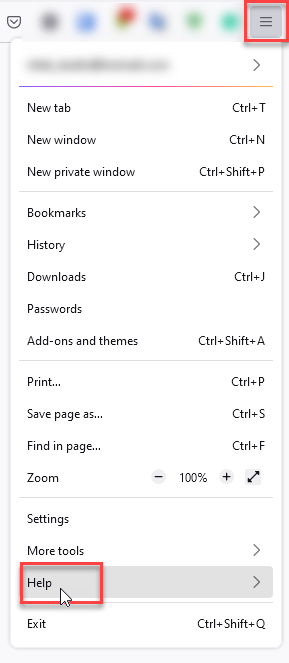
- In the upper right corner tap the three-line icon and Choose Help.
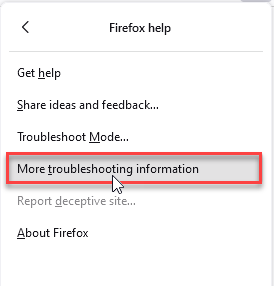
- Choose More Troubleshooting Information.
- Choose Refresh Firefox... then Refresh Firefox.
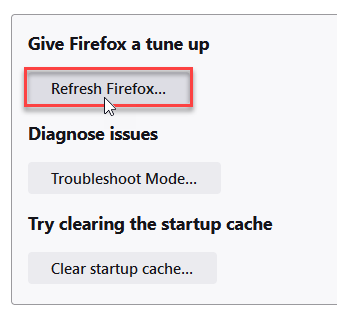
Quick Access: Type about:support and click Refresh Firefox.
- Tap the three dots.
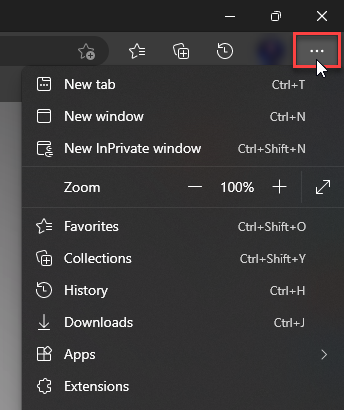
- Choose Settings.
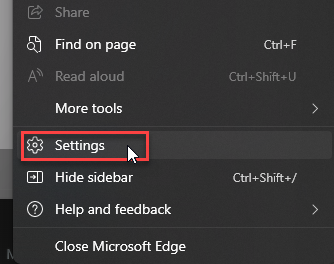
- Tap Reset Settings, then Click Restore settings to their default values.
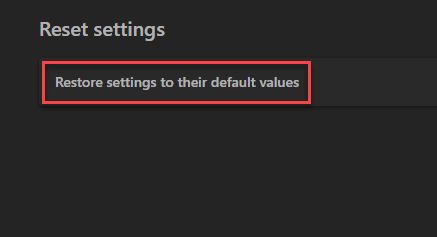
Quick Access: Type edge://settings/reset in the address bar.
- Launch the Opera browser.
- Click the Opera menu button in the top left corner and select Settings.
- Scroll down to the Advanced section in the left sidebar and click Reset and clean up.
- Click Restore settings to their original defaults.
- Click Reset settings to confirm.
Quick Access: Type opera://settings/reset in the address bar.
After reset, verify that Search-crown.com is no longer set as your default search engine or homepage.
When To Scan For Malware Or PUA
Scan the computer when Search-crown.com appears with other risk signals: unknown executables, fake update prompts, blocked security websites, browser extensions with broad permissions, repeated redirects after a reset, or account-login pages that appeared inside the redirect chain. Gridinsoft Anti-Malware can help detect adware, browser hijackers, unwanted apps, and startup persistence that browser settings alone may miss.
After uninstalling the suspicious app or deleting the visible threat, use Gridinsoft Anti-Malware to check hidden files, startup entries, scheduled tasks, bundled apps, browser changes, and other persistence points that can restore malware.
Download Anti-MalwareHow To Prevent Another Search Redirect
- Install extensions only from sources you trust, and review their site-access permissions.
- Be cautious with free downloaders, cracked apps, fake browser updates, and “required” video/PDF tools.
- Keep browser sync paused while cleaning a redirect that appears on multiple devices.
- Do not click Allow on notification prompts just to download a file or pass a fake verification step.
- Scan unfamiliar domains with the Gridinsoft Website Reputation Checker before installing software or entering credentials.
FAQ
Is Search-crown.com a virus?
Search-crown.com is better described as a browser redirect symptom. The source may be an unwanted extension, changed search setting, browser policy, synced profile setting, or adware component. Treat it as unwanted and remove the source.
Why does Search-crown.com come back after I delete it?
The redirect may be restored by browser sync, a forced policy, a companion app, a scheduled task, or another extension. Pause sync, check policy pages, remove suspicious apps, and scan the system if ordinary settings do not hold.
Do I need to reinstall Chrome?
Usually no. Remove suspicious extensions, reset search/startup settings, check policy and sync, then reset the browser if needed. Reinstalling Chrome without cleaning sync or the restoring component may not fix the redirect.
Can Search-crown.com affect Mac and Windows at the same time?
Yes, if the affected setting or extension syncs through the same browser account. Clean the profile on each signed-in device before turning sync back on.
References
- Microsoft Support. “Microsoft Edge Extensions: Frequently Asked Questions.” Microsoft, accessed June 13, 2026. https://support.microsoft.com/en-us/edge/microsoft-edge-extensions-frequently-asked-questions
- Mozilla Support. “Change your default search settings in Firefox.” Mozilla, accessed June 13, 2026. https://support.mozilla.org/en-US/kb/change-your-default-search-settings-firefox
- Mozilla Support. “Disable or remove Add-ons.” Mozilla, last updated June 24, 2025, accessed June 13, 2026. https://support.mozilla.org/en-US/kb/disable-or-remove-add-ons
If the redirect is specifically Homesearchtab.com or search.homesearchtab.com, use the startup, search-shortcut, policy, and sync checks in our Homesearchtab.com redirect cleanup guide after removing the visible extension.