Searchtoggler.com is promoted through the Search Toggler extension. The extension claims it can help switch between search engines, but the practical symptom is less convenient: search, homepage, or new-tab traffic can be forced through Searchtoggler.com.
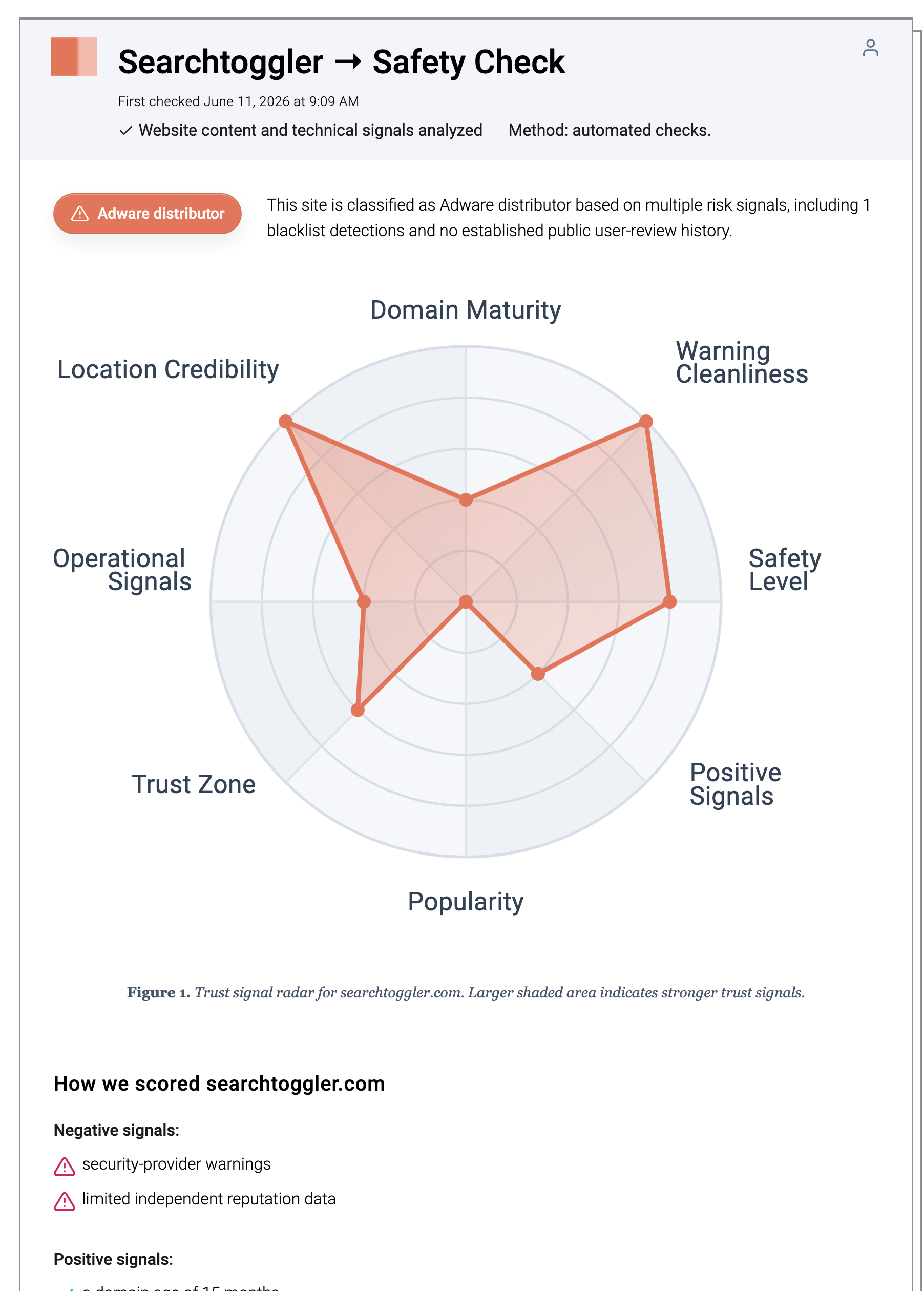
Gridinsoft’s Website Reputation Checker currently rates searchtoggler.com at 17/100 and classifies it as an adware distributor. Treat that as a signal to remove the extension, restore browser settings, and avoid entering personal information on pages reached through the redirect.
Another close video-search variant is Myvideolibrary.info redirect, which uses Video Search Extension or Video Library Search wording and should be cleaned the same way: remove the extension first, then restore search and new-tab settings.
A newer search-provider variant is Fusebase Search redirect, where s.fusebase-search.com appears in address-bar searches after a search extension changes the default provider.
Technical snapshot
- Extension name: Search Toggler
- Promoted domain:
searchtoggler.com - Claimed purpose: switch between search engines
- Browser settings affected: homepage, new tab URL, and default search engine
- Common distribution paths: Chrome Web Store, deceptive pop-up ads, and bundled installers
- Main risks: browser tracking, unwanted ads, and redirects to dubious websites.
Why a search-toggle extension can still be a hijacker
A legitimate search switcher should let you choose providers without routing every session through a promoted domain. If Search Toggler controls all three browser entry points, the toggle becomes a traffic-control mechanism rather than a preference tool.
Symptoms to check
- The address bar, homepage, or new tab briefly shows
searchtoggler.com. - The extension list contains Search Toggler or a similar search/new-tab helper.
- Browser settings revert after you manually change them.
- Searches land on a normal-looking provider only after passing through the promoted domain.
Remove Search Toggler
Remove the extension before changing settings. If the extension remains installed, it may write the hijacked search or homepage value back after the next browser restart.
- Launch Chrome.
- Click the three dots (...) in the top right corner.
- Select Extensions > Manage Extensions.
- Click Remove next to the extension you want to delete.
Quick Access: Type chrome://extensions/ in the address bar.
- Open Safari.
- In the menu bar, click Safari and select Settings (or Preferences).
- Click on the Extensions tab.
- Select the extension and click Uninstall.
- Click the menu button, select Add-ons and themes.
- Go to the Extensions tab.
- Click the three dots (...) next to the extension and select Remove.
Quick Access: Type about:addons in the address bar.
- Launch Microsoft Edge.
- Click the three dots (...) in the top right corner.
- Select Extensions.
- Find the extension and click Remove.
Quick Access: Type edge://extensions/ in the address bar.
- Launch Brave browser.
- Click the menu icon > Extensions.
- Find the extension and click Remove.
Quick Access: Type brave://extensions/ in the address bar.
- Launch Opera.
- Click the Opera logo in the top left corner.
- Select Extensions > Extensions.
- Click the X or Remove button next to the extension.
Quick Access: Type opera://extensions/ in the address bar.
Open Extensions/Add-ons again and remove any entry linked to searchtoggler.com or clearly out of place.
Restore the changed browser settings
- Remove Search Toggler and any other search-switching extension you did not deliberately install.
- Review default search, homepage, and new-tab settings for Searchtoggler.com.
- Check browser policies if settings are locked after the extension is removed.
- Restart the browser and run a fresh address-bar search to confirm the redirect is gone.
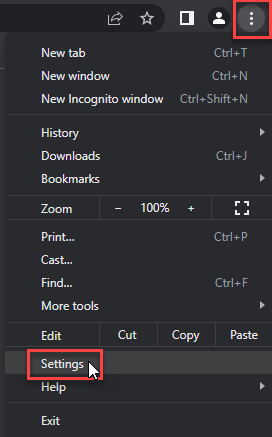
- Tap on the three dots (...) in the top right corner and Choose Settings.
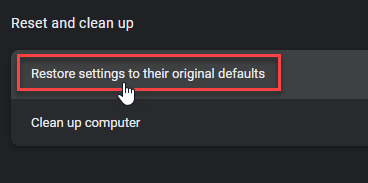
- Choose Reset and Clean up and Restore settings to their original defaults.
- Tap Reset settings.
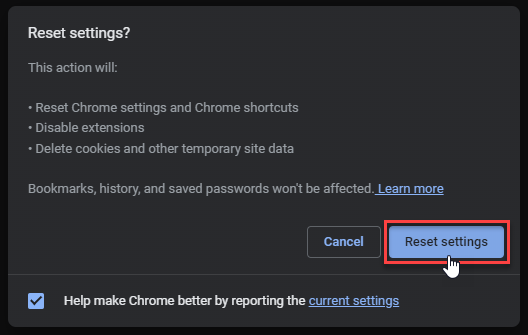
Quick Access: Type chrome://settings/reset in the address bar.
- Open Safari.
- In the menu bar, click Safari > Clear History.
- Select all history and click Clear History.
- Go to Safari > Settings (or Preferences).
- Click the Privacy tab and select Manage Website Data... > Remove All.
- In the Advanced tab, check Show features for web developers.
- In the menu bar, select Develop > Empty Caches.
- Launch Brave browser.
- Click the menu icon in the top right corner and select Settings.
- Click Additional settings > Reset settings.
- Tap Restore settings to their original defaults.
- Confirm by clicking Reset settings.
Quick Access: Type brave://settings/reset in the address bar.
- In the upper right corner tap the three-line icon and Choose Help.
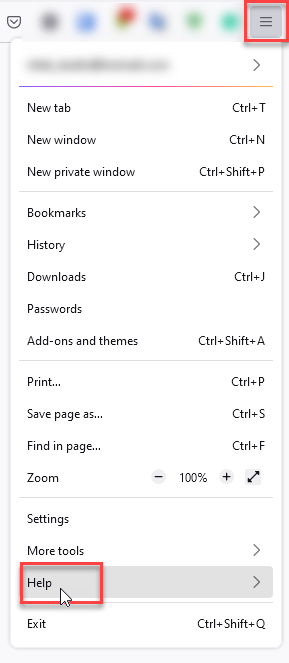
- Choose More Troubleshooting Information.
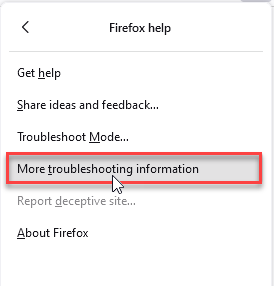
- Choose Refresh Firefox... then Refresh Firefox.
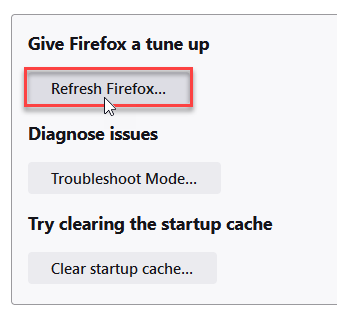
Quick Access: Type about:support and click Refresh Firefox.
- Tap the three dots.
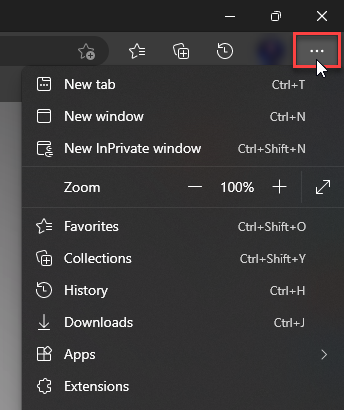
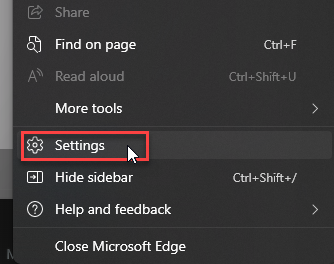
- Choose Settings.
- Tap Reset Settings, then Click Restore settings to their default values.
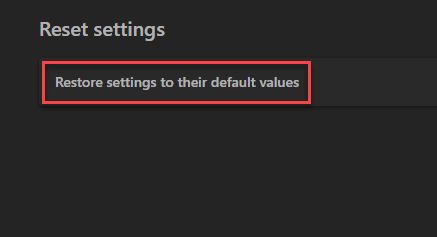
Quick Access: Type edge://settings/reset in the address bar.
- Launch the Opera browser.
- Click the Opera menu button in the top left corner and select Settings.
- Scroll down to the Advanced section in the left sidebar and click Reset and clean up.
- Click Restore settings to their original defaults.
- Click Reset settings to confirm.
Quick Access: Type opera://settings/reset in the address bar.
After reset, verify that searchtoggler.com is no longer set as your default search engine or homepage.
If Searchtoggler.com returns
If the redirect returns after extension removal, check the Windows side. Bundled installers and unwanted apps can reinstall extensions, rewrite shortcuts, or create startup tasks that reopen the browser with a promoted URL.
- Uninstall suspicious apps installed near the date the redirect started.
- Inspect browser shortcut targets for extra URLs after the executable path.
- Review Startup Apps and Task Scheduler for browser launch entries.
- Run a scan if settings keep changing after manual cleanup.
After uninstalling the suspicious app or deleting the visible threat, use Gridinsoft Anti-Malware to check hidden files, startup entries, scheduled tasks, bundled apps, browser changes, and other persistence points that can restore malware.
Download Anti-MalwareFor broader cleanup, use the PUA and browser hijacker removal guide. If the browser opens extra tabs after the redirect starts, also check the multiple-tabs troubleshooting guide.
For another sponsored-search extension pattern, see the Loginonlineapp.com redirect removal guide, which covers Easy Login, search shortcuts, and Windows persistence checks.
If the unwanted search provider appears as MINERSEARCH instead of Search Toggler, use the MinerSearch redirect removal guide; it focuses on Firefox search shortcuts, extension sync, and managed-policy checks.
FAQ
Is Searchtoggler.com malware?
It is best treated as a browser hijacker or adware-style redirect. The risk is browser control, tracking, unwanted ads, and exposure to low-trust pages, not necessarily a full system infection.
Why does searchtoggler.com appear before another search page?
The extension can route the search through its promoted domain before handing you off to another provider. That extra hop is the redirect you need to remove.
Can I just change my homepage?
Only if homepage was the only setting changed. For Search Toggler, also check homepage, new tab URL, and default search engine, then remove the extension that created the change.