
A list of installed AI models can show signs that someone else touched your server. In a November 18 report, Rapid7 found unfamiliar marker models and misleading model names on internet-facing Ollama servers. The entries give owners something concrete to investigate. A server with cloud models also raises a separate question: could requests from outsiders be charged to the owner’s account?
What the model list revealed
Rapid7 took a snapshot on November 10 of 20,354 preselected internet-facing addresses. It confirmed that 7,627 hosts answered an AI or notebook API request without authentication. In a separate analysis of Ollama model inventories, the researchers flagged signs of possible third-party activity in about 55% of the inventories they examined. The addresses were preselected, so the results cannot estimate how common the problem is across the internet.
The most telling entries looked like markers: names that resembled a probe or a test rather than a model someone would use for work. Rapid7 also found familiar commercial model names attached to small local models. A recognizable name can make the inventory look ordinary even when the underlying model is different. For an owner investigating a hit, a comparison with the deployment’s approved models and change history is more useful than the name alone.
Those entries vary in evidentiary weight. An expected model can have a customized name, and test systems can resemble live installations. Rapid7 found likely honeypots in its broader survey and separated them from its highest-severity findings. A model entry by itself cannot tell an owner who added it, whether a request succeeded, or whether any data left the machine. The separate Ollama memory-leak disclosure covers an older, version-specific issue with its own response.
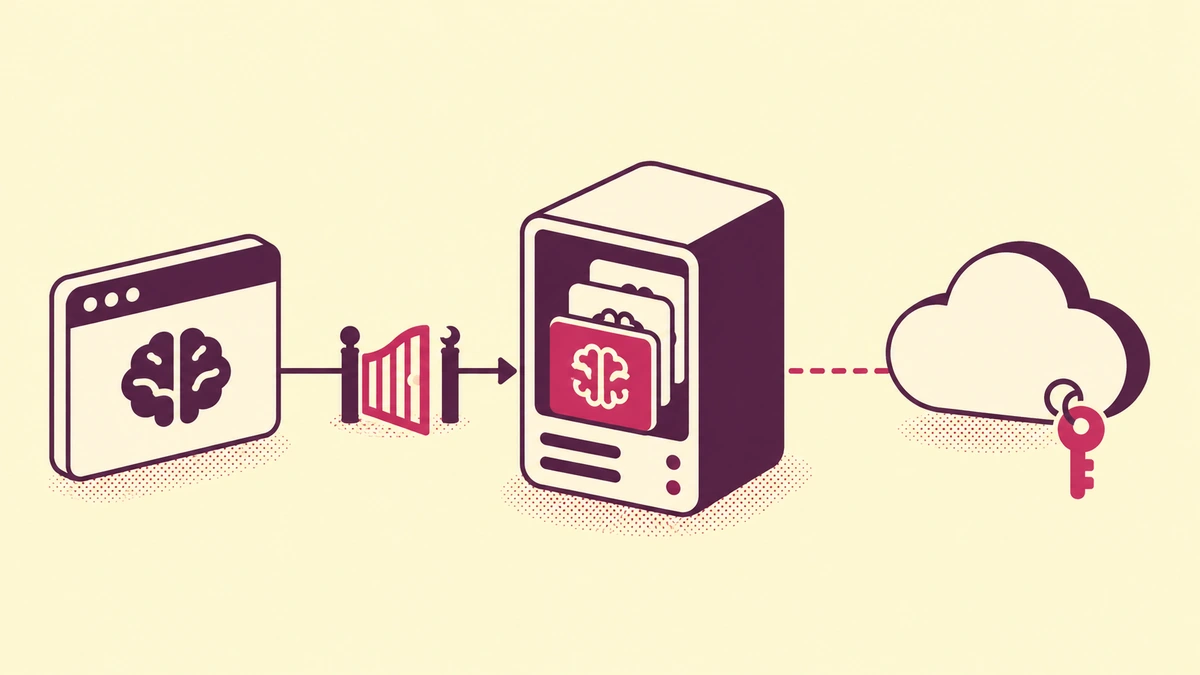
Why cloud models change the exposure
Rapid7 found a cloud model listed on 79% of the exposed Ollama hosts it examined. An Ollama deployment can serve local models and, when connected to an Ollama account, pass requests to a cloud model. The listing establishes that the inventory included a cloud option. The researchers did not test inference or establish which hosts were signed in, so the percentage cannot establish how many accounts were used or billed.
What to check on a server you operate
- Check reachability from outside your network. Review public addresses, firewall rules and any reverse proxy or tunnel that forwards to the service. Ollama’s documented default is to listen on the same machine. If only local apps use it, keep it there. If teammates need remote access, require an identity check at the network or gateway and restrict access to authorized users.
- Compare the inventory with what you deployed. If you find unexplained entries, restrict public access and keep a copy of the inventory and relevant access logs before removing models. Review when the entries appeared, who changed the deployment and what the logs can actually establish.
- Review the cloud account separately. If the host was linked to an account, review cloud usage for activity you cannot explain. If credentials may have been exposed, revoke or rotate the affected ones. If the deployment needs only local inference, disable cloud features using Ollama’s documented settings.
References
- Beek, Christiaan. Open by Default, Already Occupied: Threat Actors Are Renting Your Compute. Rapid7, November 18, 2026.
- Ollama. Local FAQ. Ollama documentation, accessed November 18, 2026.
- Ollama. Authentication. Ollama documentation, accessed November 18, 2026.