
A call centre in Mykolaiv, Ukraine, allegedly sold victims a dangerous idea: protecting their savings meant sending them away. In a September 15 report, police said callers posing as bank security staff directed people to a “reserve account” that actually led to cards controlled by the scammers.
The transfer was the theft
The revealing detail is the word reserve. It makes a payment sound like a bank’s protective procedure. Yet a reassuring name says nothing about who controls the destination. The useful question is not whether the caller sounds knowledgeable, but whether you independently verified the instruction with your bank.
This is the same trust reversal seen in Phantom Hacker scams: the person claiming to prevent a loss directs the action that causes it. That is a comparison of the mechanism, not evidence linking this Ukrainian case to those operations.
It also explains why a genuine banking app cannot settle the question. A transfer can be made through a real service while the reason for making it is entirely false. Recognizing the app is different from verifying the recipient and the instruction.
A rented apartment behind the bank-security voice
Police identified three participants and seized 23 phones and five laptops from an apartment used as an office. The investigation continues; the report does not establish total losses or a complete victim count.
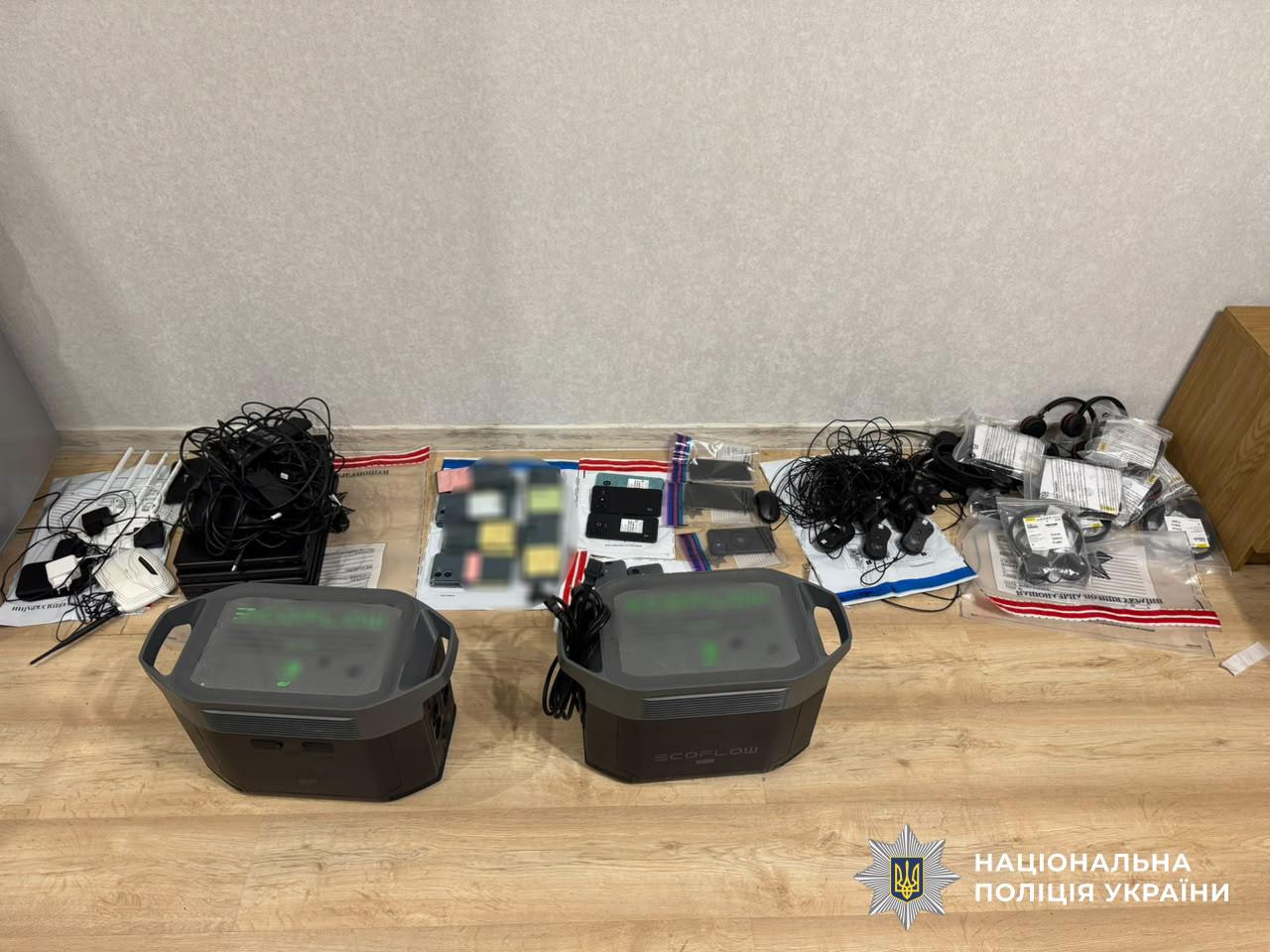
The seized equipment documents the operation’s physical setup. It does not establish how many calls succeeded, which banks were impersonated, or how the callers obtained numbers. Those gaps matter: readers should recognize the payment pretext without treating every unsolicited call as evidence of this particular group.
Break the caller’s control of the conversation
The FBI’s guidance on impersonation fraud advises resisting urgency and avoiding contact numbers supplied by the suspicious message. For a bank call, end the conversation and use contact information from your bank card or established banking service. Do not ask the caller to supply the number that will supposedly verify them.
A similar authority cue appears in fake MVS fines for browsing websites: the message chooses a payment or verification link for you. The ministry’s guidance explains how that path can turn into a request for bank details and confirmation codes.
If you already transferred money, contact your bank’s fraud team promptly and ask about a recall or reversal; recovery is not guaranteed. Preserve the payment receipt, receiving-account details, call times and messages for the bank and police. The FBI recommends retaining original records when reporting call-centre fraud.
The boundary is simple: a caller’s promise of safety does not make a new payment safe. Verify the instruction through a channel you chose before authorizing the transfer.
A separate Vinnytsia investigation shows the account infrastructure behind other online fraud: police alleged that a 300-person money-mule network worked around bank restrictions. The police did not link that network to this Mykolaiv call-center case; the comparison explains why a recipient account is not evidence that a caller is your bank.
The authority claim can also come from a supposed police officer. A separate October 5 warning about “relative in trouble” calls describes demands for transfers or cash to avoid alleged criminal consequences. It is a different scheme, but the verification checkpoint is similar: reach the person or institution independently before moving money.
References
- Cyberpolice of Ukraine. Police stop a fraudulent call centre in Mykolaiv. September 15, 2026.
- FBI, Internet Crime Complaint Center. Tech/Customer Support and Government Impersonation. Accessed September 16, 2026.
- FBI, Internet Crime Complaint Center. Account Takeover Fraud, bank-contact and incident-response guidance. Accessed September 16, 2026.