Hosting-control.cc is a browser-based scam page that pushes fake alerts, pop-ups, and redirect loops. It usually is not a full system infection, but it can drag you into phishing pages, shady downloads, and recurring notification spam.
Hosting-control.cc follows the same playbook as Chesstop7.xyz, Grs-protect.co.in, Zravonira.com, and Some-othertag.cc: a misleading page asks you to click Allow, then turns that permission into nonstop alerts.
| Threat name | Hosting-control.cc |
| Type | Browser hijacker / notification abuse |
| Primary behavior | Fake alerts, redirect loops, push notification spam |
| Risk level | Medium – phishing and scam exposure |
How it spreads: the most common entry points are fake CAPTCHAs, bundled freeware, and sketchy download pages. Once notifications are allowed, the site can spam alerts even when no tab is open.
How to remove Hosting-control.cc
Step 1 – Remove notification permissions. Use the steps below to revoke notification access for Hosting-control.cc and any other unfamiliar sites.
If hosting-control.cc keeps showing unwanted pop-ups, you likely granted it permission to send notifications. To stop them, you need to revoke that permission in your browser settings.
- Copy and paste this into the address bar:
chrome://settings/content/notifications - Scroll down to the Allowed to send notifications list.
- Find hosting-control.cc.
- Click the three dots (...) next to it and select Remove (or Block).
- Open Safari and go to Settings (or Preferences).
- Click the Websites tab and select Notifications on the left.
- Find hosting-control.cc in the list on the right.
- Select it and click Remove (or change "Allow" to "Deny").
- Copy and paste this into the address bar:
about:preferences#privacy - Scroll down to Permissions and click Settings... next to Notifications.
- Type hosting-control.cc in the search bar or find it in the list.
- Select the site and click Remove Website.
- Copy and paste this into the address bar:
edge://settings/content/notifications - Look under the Allow section.
- Find hosting-control.cc.
- Click the three dots (...) next to it and select Remove (or Block).
- Copy and paste this into the address bar:
brave://settings/content/notifications - Scroll to the Allowed to send notifications list.
- Find hosting-control.cc.
- Click the three dots (...) and select Remove (or Block).
- Copy and paste this into the address bar:
opera://settings/content/notifications - Check the Allowed to send notifications list.
- Find hosting-control.cc.
- Click the three dots next to it and select Remove.
Step 2 – Remove suspicious extensions. Unwanted add-ons can keep the redirect loop alive. Use the built-in removal steps below and disable anything you did not install on purpose.
- Launch Chrome.
- Click the three dots (...) in the top right corner.
- Select Extensions > Manage Extensions.
- Click Remove next to the extension you want to delete.
Quick Access: Type chrome://extensions/ in the address bar.
- Open Safari.
- In the menu bar, click Safari and select Settings (or Preferences).
- Click on the Extensions tab.
- Select the extension and click Uninstall.
- Click the menu button, select Add-ons and themes.
- Go to the Extensions tab.
- Click the three dots (...) next to the extension and select Remove.
Quick Access: Type about:addons in the address bar.
- Launch Microsoft Edge.
- Click the three dots (...) in the top right corner.
- Select Extensions.
- Find the extension and click Remove.
Quick Access: Type edge://extensions/ in the address bar.
- Launch Brave browser.
- Click the menu icon > Extensions.
- Find the extension and click Remove.
Quick Access: Type brave://extensions/ in the address bar.
- Launch Opera.
- Click the Opera logo in the top left corner.
- Select Extensions > Extensions.
- Click the X or Remove button next to the extension.
Quick Access: Type opera://extensions/ in the address bar.
Step 3 – Reset browser settings. If the redirects keep returning, reset the browser to its default state. This clears hidden settings and restores normal behavior without deleting saved passwords.
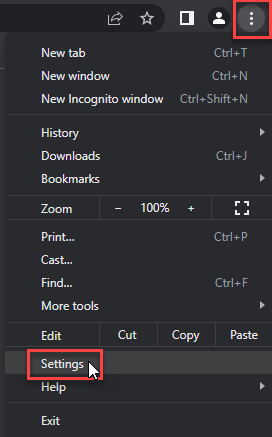
- Tap on the three dots (...) in the top right corner and Choose Settings.
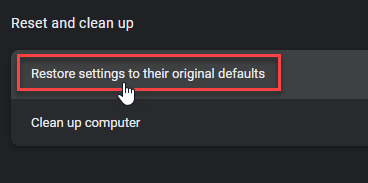
- Choose Reset and Clean up and Restore settings to their original defaults.
- Tap Reset settings.
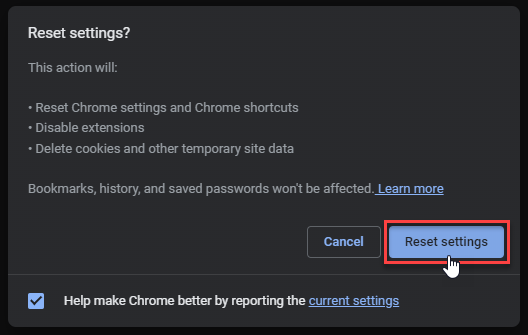
Quick Access: Type chrome://settings/reset in the address bar.
- Open Safari.
- In the menu bar, click Safari > Clear History.
- Select all history and click Clear History.
- Go to Safari > Settings (or Preferences).
- Click the Privacy tab and select Manage Website Data... > Remove All.
- In the Advanced tab, check Show features for web developers.
- In the menu bar, select Develop > Empty Caches.
- Launch Brave browser.
- Click the menu icon in the top right corner and select Settings.
- Click Additional settings > Reset settings.
- Tap Restore settings to their original defaults.
- Confirm by clicking Reset settings.
Quick Access: Type brave://settings/reset in the address bar.
- In the upper right corner tap the three-line icon and Choose Help.
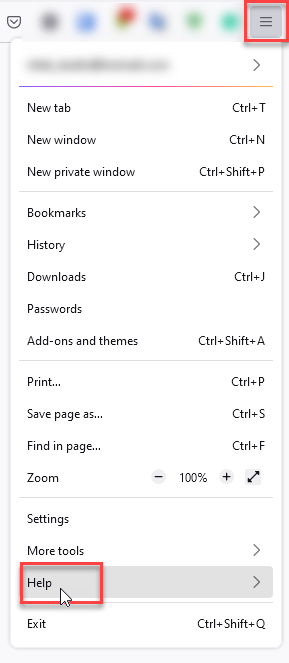
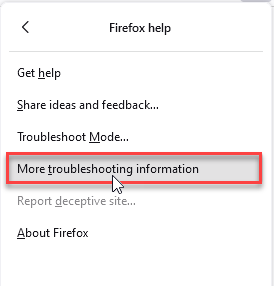
- Choose More Troubleshooting Information.
- Choose Refresh Firefox... then Refresh Firefox.
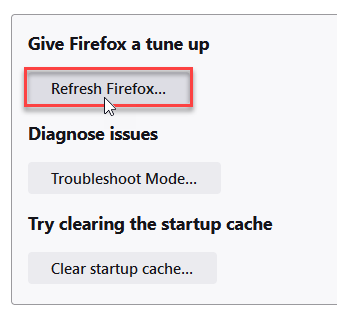
Quick Access: Type about:support and click Refresh Firefox.
- Tap the three dots.
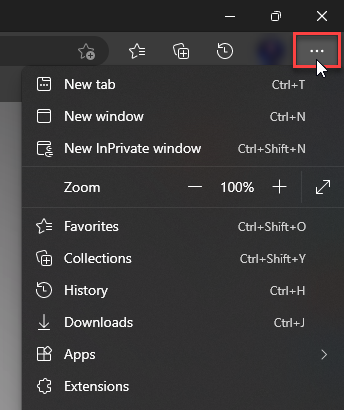
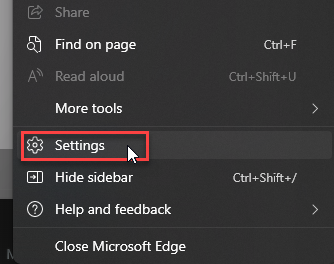
- Choose Settings.
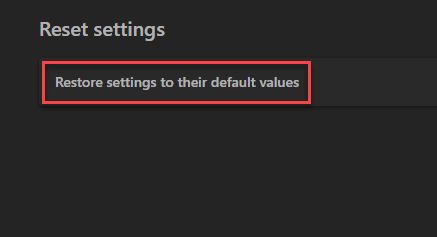
- Tap Reset Settings, then Click Restore settings to their default values.
Quick Access: Type edge://settings/reset in the address bar.
- Launch the Opera browser.
- Click the Opera menu button in the top left corner and select Settings.
- Scroll down to the Advanced section in the left sidebar and click Reset and clean up.
- Click Restore settings to their original defaults.
- Click Reset settings to confirm.
Quick Access: Type opera://settings/reset in the address bar.
After reset, verify that hosting-control.cc is no longer set as your default search engine or homepage.
Step 4 – Remove suspicious apps. If you see unfamiliar programs installed around the time the pop-ups began, remove them using the steps below.
If you see any suspicious applications that you don't remember installing, you should remove them as well.
- Right-click the Start button and select Installed Apps (or Apps & Features).
- Scroll through the list to find suspicious app or any other unfamiliar program.
- Click the three dots (...) next to it and select Uninstall.
- Open Finder and go to the Applications folder.
- Locate suspicious app or any app you don't recognize.
- Drag it to the Trash.
- Empty the trash to remove it permanently.
- Go to Settings > Apps > See all apps.
- Find suspicious app or any suspicious app in the list.
- Tap on it and select Uninstall.
Step 5 – Scan if it keeps coming back. Persistent pop-ups can signal adware or a hijacker that reinstalls itself. Run a full scan and remove anything flagged. If you want a guided cleanup, use the removal instructions below.
After uninstalling the suspicious app or deleting the visible threat, use Gridinsoft Anti-Malware to check hidden files, startup entries, scheduled tasks, bundled apps, browser changes, and other persistence points that can restore malware.
Download Anti-Malware- Press Win + R, type regedit, and hit Enter.
- Navigate to:
HKEY_LOCAL_MACHINE\SOFTWARE\Policies\ - Look for folders named Google, BraveSoftware, or Microsoft (under Edge).
- If you see a Policies subfolder with unknown keys inside, right-click and Delete it.
- Repeat for:
HKEY_CURRENT_USER\SOFTWARE\Policies\
Warning: Be careful when editing the registry. Deleting the wrong key can cause system issues.
- Click the Apple menu > System Settings (or System Preferences).
- Search for Profiles. If the icon isn't there, no profiles are installed.
- Select any suspicious profile (e.g., "Chrome Settings", "Admin Profile").
- Click the minus (-) button to remove it.
Open the built-in policy page to see rules that hosting-control.cc may have applied:
- Chrome:
chrome://policy - Brave:
brave://policy - Edge:
edge://policy
Look for policies with names like ExtensionInstallForceList or HomepageLocation.
Persistence is common: if the redirects return after a reboot, a hidden policy or startup item is reapplying the same settings. If a page demands immediate action, treat it as a red flag and verify before you trust any warning.
Hosting-control.cc is not the only hosting-themed notification trap. If the alerts mention Hosting-explorer.cc, use the newer Hosting-explorer.cc browser notification cleanup guide for the exact domain.