Some-othertag.cc is a browser-based threat that pushes fake alerts, pop-ups, and redirects. It is usually not a full system infection, but it can expose you to phishing pages, scams, and unwanted downloads. Most cases start after a site tricks you into clicking Allow or after a hijacker-style extension changes notification settings.
Some-othertag.cc, similar to Chesstop7.xyz, Grs-protect.co.in, Parent-control.cc, and Memory-protection-layer2.cc, follows the same pattern: a misleading page asks you to click Allow, then starts spamming security warnings and blank pop-ups. You can review our Some-othertag.cc URL analysis for a quick risk snapshot.
| Threat name | Some-othertag.cc |
| Type | Browser hijacker / notification abuse |
| Primary behavior | Fake alerts, redirect loops, push notification spam |
| Risk level | Medium – phishing and scam exposure |
How it spreads: most cases start after a misleading page asks you to click Allow or after bundled freeware adds an extension. The pop-ups then continue even when you are not browsing because the site gained notification permissions.
How to remove Some-othertag.cc
Step 1 – Remove notification permissions. Use the steps below to revoke notification access for Some-othertag.cc and any other unfamiliar sites.
If some-othertag.cc keeps showing unwanted pop-ups, you likely granted it permission to send notifications. To stop them, you need to revoke that permission in your browser settings.
- Copy and paste this into the address bar:
chrome://settings/content/notifications - Scroll down to the Allowed to send notifications list.
- Find some-othertag.cc.
- Click the three dots (...) next to it and select Remove (or Block).
- Open Safari and go to Settings (or Preferences).
- Click the Websites tab and select Notifications on the left.
- Find some-othertag.cc in the list on the right.
- Select it and click Remove (or change "Allow" to "Deny").
- Copy and paste this into the address bar:
about:preferences#privacy - Scroll down to Permissions and click Settings... next to Notifications.
- Type some-othertag.cc in the search bar or find it in the list.
- Select the site and click Remove Website.
- Copy and paste this into the address bar:
edge://settings/content/notifications - Look under the Allow section.
- Find some-othertag.cc.
- Click the three dots (...) next to it and select Remove (or Block).
- Copy and paste this into the address bar:
brave://settings/content/notifications - Scroll to the Allowed to send notifications list.
- Find some-othertag.cc.
- Click the three dots (...) and select Remove (or Block).
- Copy and paste this into the address bar:
opera://settings/content/notifications - Check the Allowed to send notifications list.
- Find some-othertag.cc.
- Click the three dots next to it and select Remove.
Step 2 – Remove suspicious extensions. Unwanted add-ons can keep the redirect loop alive. Use the built-in removal steps below and disable anything you did not install on purpose.
- Launch Chrome.
- Click the three dots (...) in the top right corner.
- Select Extensions > Manage Extensions.
- Click Remove next to the extension you want to delete.
Quick Access: Type chrome://extensions/ in the address bar.
- Open Safari.
- In the menu bar, click Safari and select Settings (or Preferences).
- Click on the Extensions tab.
- Select the extension and click Uninstall.
- Click the menu button, select Add-ons and themes.
- Go to the Extensions tab.
- Click the three dots (...) next to the extension and select Remove.
Quick Access: Type about:addons in the address bar.
- Launch Microsoft Edge.
- Click the three dots (...) in the top right corner.
- Select Extensions.
- Find the extension and click Remove.
Quick Access: Type edge://extensions/ in the address bar.
- Launch Brave browser.
- Click the menu icon > Extensions.
- Find the extension and click Remove.
Quick Access: Type brave://extensions/ in the address bar.
- Launch Opera.
- Click the Opera logo in the top left corner.
- Select Extensions > Extensions.
- Click the X or Remove button next to the extension.
Quick Access: Type opera://extensions/ in the address bar.
Step 3 – Reset browser settings. If the redirects keep returning, reset the browser to its default state. This clears hidden settings and restores normal behavior without deleting saved passwords.
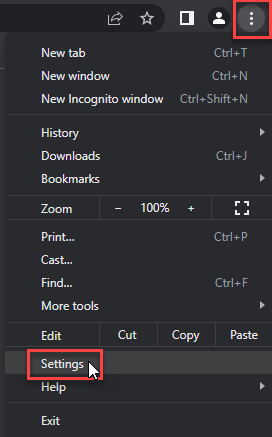
- Tap on the three dots (...) in the top right corner and Choose Settings.
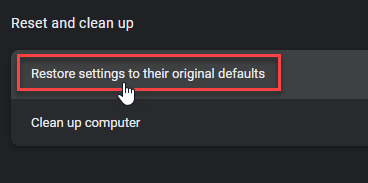
- Choose Reset and Clean up and Restore settings to their original defaults.
- Tap Reset settings.
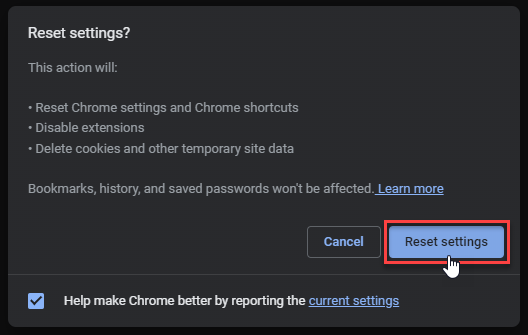
Quick Access: Type chrome://settings/reset in the address bar.
- Open Safari.
- In the menu bar, click Safari > Clear History.
- Select all history and click Clear History.
- Go to Safari > Settings (or Preferences).
- Click the Privacy tab and select Manage Website Data... > Remove All.
- In the Advanced tab, check Show features for web developers.
- In the menu bar, select Develop > Empty Caches.
- Launch Brave browser.
- Click the menu icon in the top right corner and select Settings.
- Click Additional settings > Reset settings.
- Tap Restore settings to their original defaults.
- Confirm by clicking Reset settings.
Quick Access: Type brave://settings/reset in the address bar.
- In the upper right corner tap the three-line icon and Choose Help.
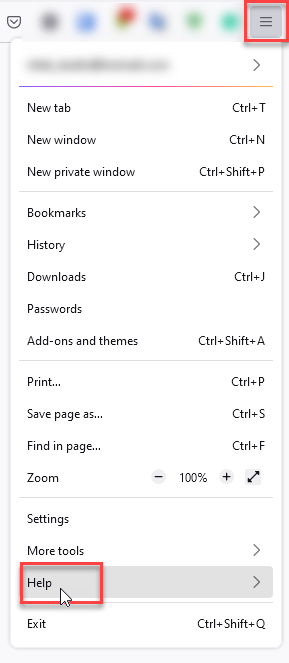
- Choose More Troubleshooting Information.
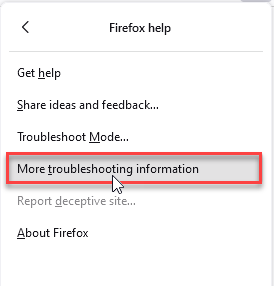
- Choose Refresh Firefox... then Refresh Firefox.
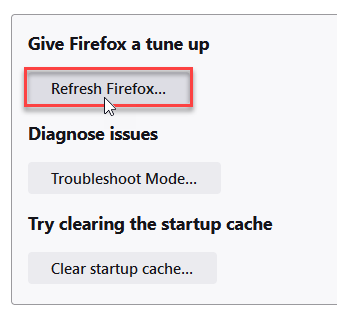
Quick Access: Type about:support and click Refresh Firefox.
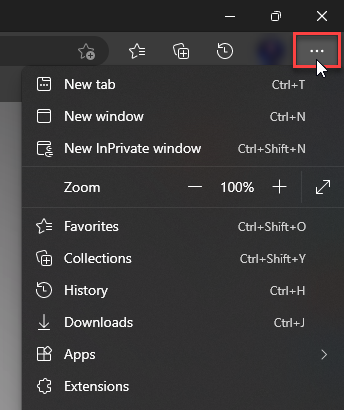
- Tap the three dots.
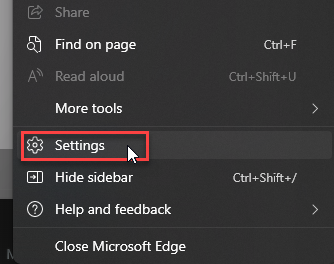
- Choose Settings.
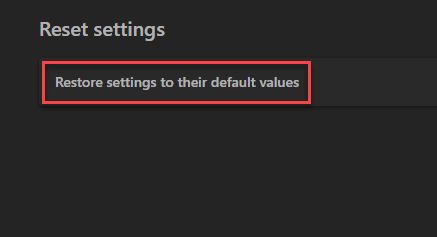
- Tap Reset Settings, then Click Restore settings to their default values.
Quick Access: Type edge://settings/reset in the address bar.
- Launch the Opera browser.
- Click the Opera menu button in the top left corner and select Settings.
- Scroll down to the Advanced section in the left sidebar and click Reset and clean up.
- Click Restore settings to their original defaults.
- Click Reset settings to confirm.
Quick Access: Type opera://settings/reset in the address bar.
After reset, verify that some-othertag.cc is no longer set as your default search engine or homepage.
Step 4 – Remove suspicious apps. If you see unfamiliar programs installed around the time the pop-ups began, remove them using the steps below.
If you see any suspicious applications that you don't remember installing, you should remove them as well.
- Right-click the Start button and select Installed Apps (or Apps & Features).
- Scroll through the list to find suspicious app or any other unfamiliar program.
- Click the three dots (...) next to it and select Uninstall.
- Open Finder and go to the Applications folder.
- Locate suspicious app or any app you don't recognize.
- Drag it to the Trash.
- Empty the trash to remove it permanently.
- Go to Settings > Apps > See all apps.
- Find suspicious app or any suspicious app in the list.
- Tap on it and select Uninstall.
Step 5 – Scan if it keeps coming back. Persistent pop-ups can signal adware or a hijacker that reinstalls itself. Run a full scan and remove anything flagged. If you want a guided cleanup, use the removal instructions below.
After uninstalling the suspicious app or deleting the visible threat, use Gridinsoft Anti-Malware to check hidden files, startup entries, scheduled tasks, bundled apps, browser changes, and other persistence points that can restore malware.
Download Anti-Malware- Press Win + R, type regedit, and hit Enter.
- Navigate to:
HKEY_LOCAL_MACHINE\SOFTWARE\Policies\ - Look for folders named Google, BraveSoftware, or Microsoft (under Edge).
- If you see a Policies subfolder with unknown keys inside, right-click and Delete it.
- Repeat for:
HKEY_CURRENT_USER\SOFTWARE\Policies\
Warning: Be careful when editing the registry. Deleting the wrong key can cause system issues.
- Click the Apple menu > System Settings (or System Preferences).
- Search for Profiles. If the icon isn't there, no profiles are installed.
- Select any suspicious profile (e.g., "Chrome Settings", "Admin Profile").
- Click the minus (-) button to remove it.
Open the built-in policy page to see rules that some-othertag.cc may have applied:
- Chrome:
chrome://policy - Brave:
brave://policy - Edge:
edge://policy
Look for policies with names like ExtensionInstallForceList or HomepageLocation.
Persistence is common: if the redirects return after a reboot, a hidden policy or startup item is reapplying the same settings. If a page demands immediate action, treat it as a red flag and verify before you trust any warning.