

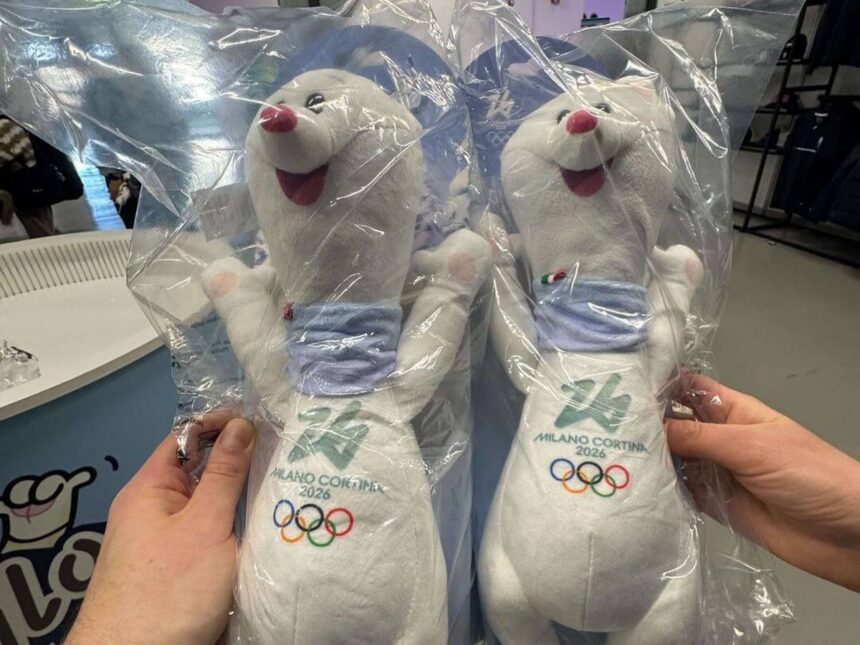
Scam shops are moving fast to capitalize on the Milano Cortina 2026 mascots. Tina and Milo, the stoat siblings chosen from more than 1,600 student designs in a public poll, have become a must-have souvenir, and that demand is now being weaponized by lookalike storefronts. The mascots were created by Italian schoolchildren and unveiled as the official faces of the 2026 Winter Games. Milano Cortina 2026 announcement.
Demand is real: AP reports that mascot plush toys have sold out quickly in official shops and fan zones, with fans across multiple countries hunting for them. That supply gap creates the perfect moment for scam domains to mimic the official store and lure buyers with fake stock and steep discounts. APnews report.
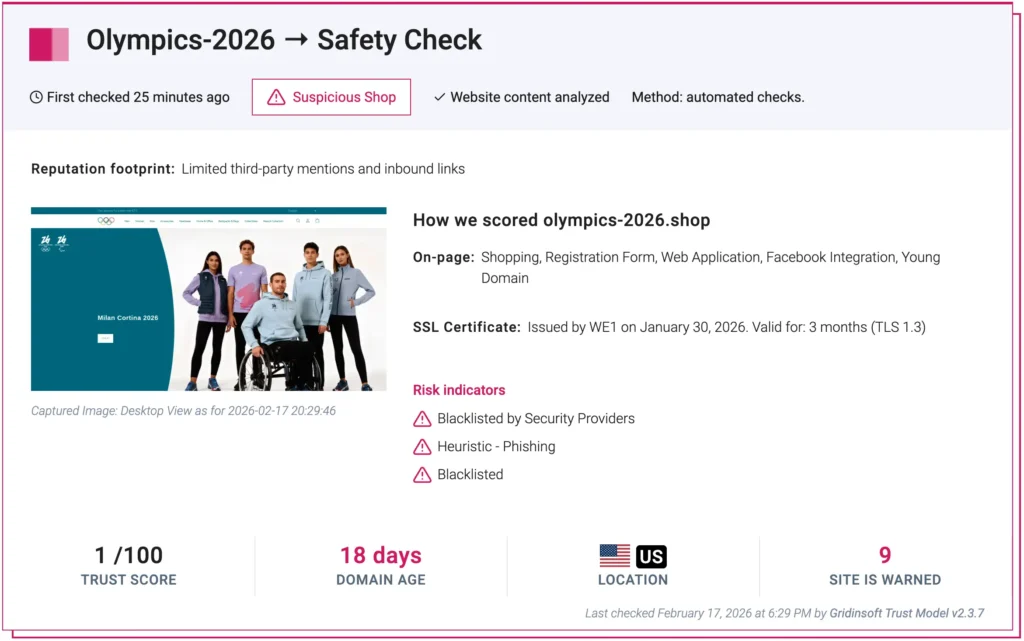
In the past week, nearly 20 lookalike domains were identified using a shared storefront template that mirrors the official shop. The domains use the same layout and product pages, but change the hostname to rotate around blocks and takedowns. You can see the current cluster and related domains in Gridinsoft Inspector results here: Inspector results A and Inspector results B.
The scam is not sophisticated, it is familiar. The fake stores look professional, use background video and music, and mirror the product catalog and branding. The giveaway is the offer: a sold-out official item suddenly appears at a large discount on a random domain. That combination of urgency, emotion, and scarcity is the same pattern seen in other online shopping scams and phishing campaigns that trick users into entering card details on convincing pages.
These sites typically aim to collect payment card data and personal details at checkout. They can also follow up with phishing emails or fake tracking links. The result is often a double loss: money paid to a fake shop and the risk of further account compromise. Our URL checks on two related domains show the same risk pattern: olympics-2026.shop analysis and postolympicsale.com analysis.
How to avoid the fake shops
Start with the domain. The official merch store uses a known domain and consistent branding; scam sites usually rely on new, cheap TLDs and slight variations. If the item is sold out on official channels but suddenly in stock elsewhere with a large discount, that is a red flag. Avoid clicking ads and use direct navigation to the official store. If you still want to check a domain, search it in a reputation or URL analysis tool before entering any payment details.
Also remember that the scam is global. Reports show traffic to these sites from multiple regions, which means the templates are being deployed across languages and currencies. Treat any unexpected storefront with the same skepticism you would apply to a phishing email.


Fans need to stay sharp—big events always attract scammers trying to cash in on hype. If you’re looking for Tina and Milo plushies, stick to official stores or verified sellers, double-check URLs, and be wary of deals that seem too good to be true. A little caution now can save a lot of disappointment later.