

AI deepnude sites are not a safe or low-risk way to test image AI. Even when a generator really works, you are uploading a person’s image to a service that may store files, reuse prompts, request payment, push downloads, or create nonconsensual intimate imagery. Do not upload photos of another person without clear consent, and treat any site that asks for an installer, browser extension, crypto payment, or excessive profile data as high risk.
Are AI Deepnude Sites Safe and Legit?
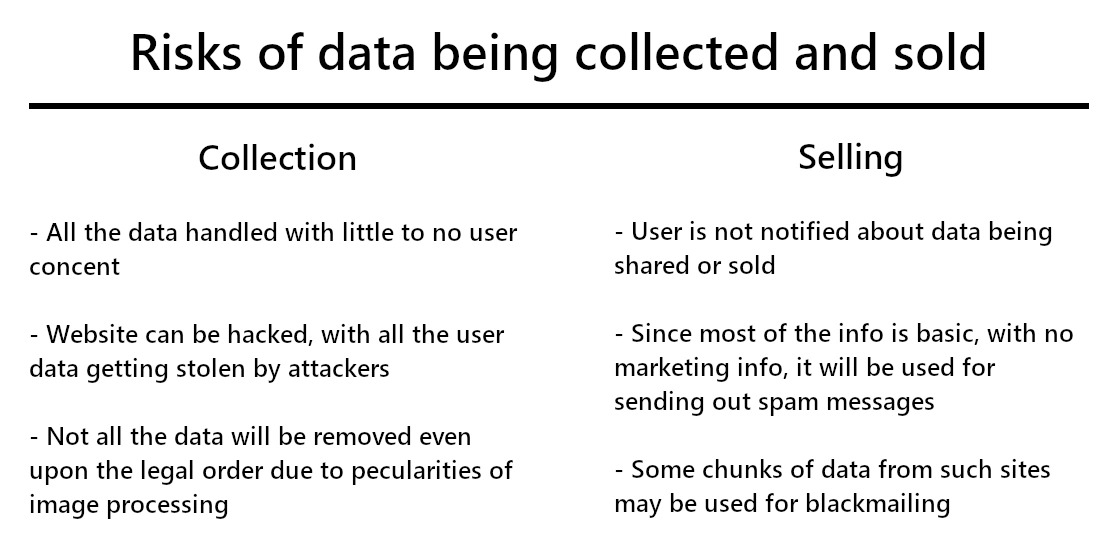
Some AI deepnude or AI nude generator websites are functional services. That does not make them trustworthy. The core safety problem is that the site needs a sensitive image before you can judge the result. Once the upload is sent, you usually cannot verify where the original photo, generated image, prompt, account email, IP address, payment record, or device fingerprint will be stored.
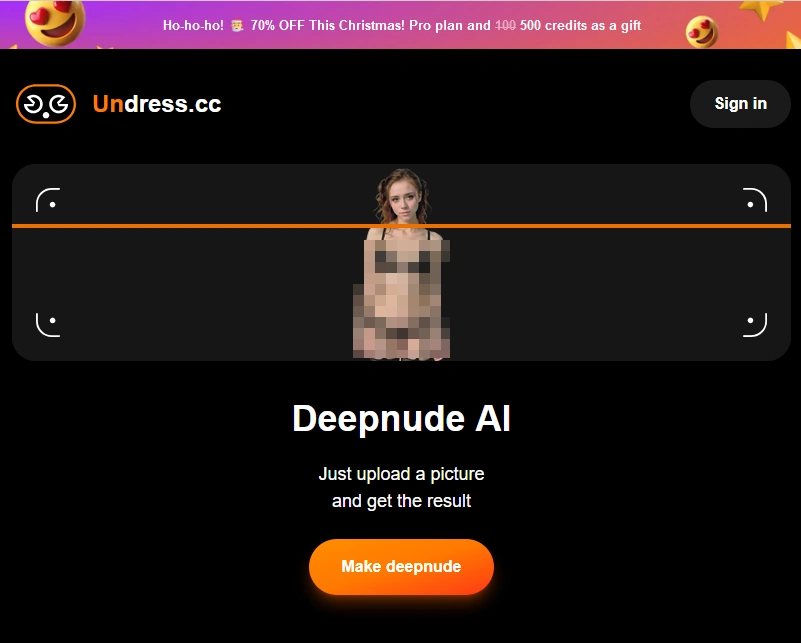
The safest verdict is simple: avoid services that create intimate images of real people without consent. If you are checking whether a site is a scam, focus on the site’s behavior before uploading anything: payment flow, privacy policy, contact details, reputation, download prompts, and whether it explains removal or abuse-reporting options.
Privacy and Consent Risks
The biggest risk is not only the generated image. It is the full trail around it: the original photo, the output, the email address used to sign up, payment identifiers, IP address, browser details, and any metadata left in the uploaded file. A vague promise such as “delete after generation” is difficult to verify from outside the service.
Nonconsensual intimate images can also create legal and reporting problems. In the United States, the FTC began enforcing the TAKE IT DOWN Act on May 19, 2026; covered platforms must provide a removal process for nonconsensual intimate images, including AI-created or digitally altered images, and remove validly reported content and known identical copies within 48 hours [1]. This is not a permission slip to create the image in the first place. It is a response path for victims after abuse has happened.
These services are also not a tiny corner of the web. WIRED reported that 16 major “undress” or “nudify” websites reviewed in a San Francisco lawsuit had about 200 million visits in the first half of 2024, and that some used familiar sign-in systems from major platforms [5]. That is why search results often mix safety guides with reputation pages, vendor-style listicles, and direct tool pages: the demand is real, but the safest answer is still to check risk before uploading.
Common AI Deepnude Scams
Fraud around these services usually follows a few repeatable patterns:
- Pay first, receive nothing. The site asks for credits, crypto, gift cards, or an unrelated checkout page, then returns a low-quality result or nothing at all.
- Installer or extension trap. The site claims generation requires a Windows app, mobile APK, or browser extension. That can lead to adware, browser hijackers, credential theft, or recurring security warnings. If you already installed one, review our browser extension safety guide and scan the device.
- Excessive registration data. A generator that asks for phone number, location, social login, ID verification, or unrelated personal details before showing clear terms is collecting more than it needs.
- Blackmail setup. Some sites or accounts use AI image claims to pressure people into paying. The FBI warns that sextortion can start with threats on ordinary apps and that images can be altered, stolen, or used to keep pressuring the victim [2].
- Fake reputation signals. New domains, copied terms pages, anonymous ownership, broken support links, and impossible “100% private” claims are all warning signs.
If a site seems suspicious, check it before interacting with it in our Website Reputation Checker. For sites that push downloads, popups, redirects, or adult-content lures, also compare the behavior with our guide to fake adult sites that destroy user data.
How to Check a Site Before Uploading Anything
- Search the domain name, not only the brand name shown on the page.
- Check whether the site has a real company identity, abuse contact, removal process, privacy policy, and refund terms.
- Reject sites that require a local app, APK, extension, macro, or remote-access tool to generate an image.
- Do not use a primary email, reused password, real name, work device, or saved payment profile.
- Do not upload another person’s image without consent. If the person is under 18, do not upload, generate, download, or share anything.
- If you already paid, monitor the payment method and dispute the charge through the payment provider when appropriate.
- If you installed anything, disconnect from the account used on the site, remove the app or extension, reset browser notifications, and run a malware scan.
For continuous protection, Gridinsoft Anti-Malware can block known malicious domains, detect unwanted apps, and help clean up adware or browser changes after a risky download. Use it as a cleanup step, not as a reason to test unsafe generators.
If You Already Uploaded, Paid, or Installed Something
If you found this page after trying one of these sites, treat it as a containment checklist rather than a privacy debate. The goal is to reduce what the site, payment processor, extension, or app can still do with your data.
- Uploaded a photo: stop uploading more images, save the domain/account details for evidence, look for a deletion or abuse-reporting process, and avoid sending extra images to “verify” anything.
- Created an account: change any reused password, revoke social-login access if you used Google, Apple, Discord, or another provider, and remove saved payment details where possible.
- Paid for credits: keep receipts and transaction IDs, dispute unauthorized charges through the payment provider, and watch for repeat billing or crypto-wallet follow-up scams.
- Installed an app, APK, or extension: remove it, reset browser notification permissions, check startup items, and scan the device before logging back into sensitive accounts.
If an AI Nude Image Was Made or Shared Without Consent
Do not engage with extortion demands and do not send more images. Save evidence such as URLs, usernames, messages, payment addresses, and timestamps, then report the content to the platform. For people under 18, NCMEC’s Take It Down service can create a hash on the user’s device so participating platforms can detect matching copies without receiving the image itself [3]. For adults who still possess the image or video, StopNCII.org offers a similar hash-based tool for nonconsensual intimate image abuse [4].
If the image is being used for threats or payment demands, also read our sextortion guide. If a message claims to have compromising images but gives no proof, compare it with common blackmail email scams before responding.
FAQ
Are AI deepnude sites malware?
The website itself is not always malware, but many sites in this niche use risky ads, fake download prompts, browser extensions, APKs, or payment tricks. Treat any required download as a red flag.
Can a deepnude site keep my uploaded photo?
Yes, it can. You usually cannot independently verify whether the original image, generated image, prompt, account data, or metadata was deleted after processing.
Is it legal to use an AI nude generator?
Rules vary by country and state, but creating or sharing intimate images of a real person without consent can create serious legal exposure. The safest rule is not to upload or generate images of another person without explicit consent.
What should I do if I installed an app from one of these sites?
Uninstall it, remove related browser extensions, revoke notification permissions, change passwords used on the same device, and run a malware scan. If payment details were entered, monitor the card or wallet and contact the provider about suspicious charges.
References
- Federal Trade Commission. “FTC Begins Enforcing the TAKE IT DOWN Act.” FTC, May 19, 2026. https://www.ftc.gov/news-events/news/press-releases/2026/05/ftc-begins-enforcing-take-it-down-act
- Federal Bureau of Investigation. “Sextortion.” FBI, accessed May 27, 2026. https://www.fbi.gov/how-we-can-help-you/scams-and-safety/common-frauds-and-scams/sextortion/sextortion
- National Center for Missing & Exploited Children. “Take It Down.” NCMEC, accessed May 27, 2026. https://takeitdown.ncmec.org/?lang=en-GB
- StopNCII.org. “Stop Non-Consensual Intimate Image Abuse.” SWGfL/Revenge Porn Helpline, accessed May 27, 2026. https://stopncii.org/
- Matt Burgess. “Harmful ‘Nudify’ Websites Used Google, Apple, and Discord Sign-On Systems.” WIRED, August 29, 2024, accessed June 7, 2026. https://www.wired.com/story/undress-app-ai-harm-google-apple-login/

Thanks, now I can safely search Deepnude websites knowing if they are safe or not!