
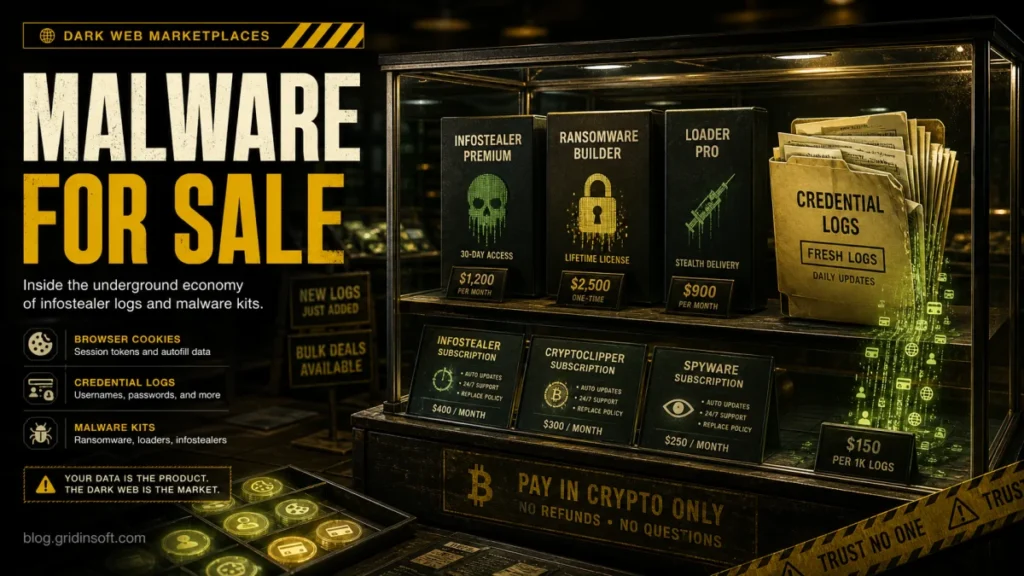
Dark Web Malware: Stealer Logs, MaaS, and How to Stay Safe
Dark web malware now runs on stealer logs, stolen credentials, MaaS tools, and ransomware access. Learn the risks and what to do after a suspicious download or alert.
Practical security guide
Step-by-step fixes, scam checks, Windows cleanup, browser safety, and simple security habits for real problems people run into every day.
Updated guide index
Dark web malware now runs on stealer logs, stolen credentials, MaaS tools, and ransomware access. Learn the risks and what to do after a suspicious download or alert.
A third-party data breach exposes data through a vendor, SaaS app, contractor, or partner. Learn current examples, victim…
Vacation scams in 2026 go far beyond generic summer emails. Fake rentals, off-platform payment requests, hijacked reservation messages,…
BlackCat ransomware continues to make a fuss globally for the second year now, targeting various sectors. Most of the time, it goes to healthcare,…
Ransomware groups come and go, but the people behind them continue to use their hacking and extortion skills in new operations. For example, former…
Business email compromise (BEC) abuses trusted email conversations to steal money or data. Learn warning signs, wire-fraud examples, and what to do before or…
Most people think you must be a hacker to participate in cyberattacks. However, as the last year has shown, downloading specific software or paying…
Following natural disasters and severe weather, there is a higher chance of fraudulent activities as scammers prey on vulnerable individuals or those who wish…