
A promise of passive crypto income led one person to transfer more than $655,000 to wallets that investigators say the promoter himself controlled. Ukraine’s cyberpolice reported the case on September 21, following a search at the suspect’s residence in Prague. The alleged transfers took place in 2023–2025; the newly announced development is the cross-border investigation and seizure of potential evidence.
The destination mattered more than the investment pitch
According to investigators, the suspect persuaded the victim to put money into cryptocurrency for future passive income. The money was converted into crypto and sent to addresses he supplied. Police say their analysis of the transfers established that those receiving wallets were actually under his control.
That is the decisive detail in the account. Buying cryptocurrency and transferring it to a promoter are separate decisions. A successful transfer proves that assets reached an address; it does not establish that the recipient invested them as promised or that the sender can withdraw them. Our guide to checking a crypto wallet before sending money explains the checks and their limits.
Police say the suspect subsequently moved the assets between services in ways that made their origin and onward movement harder to establish. The announcement does not name the cryptocurrencies, exchanges or tracing tools involved. It also does not identify a fake trading website, malware or a stolen seed phrase as part of this case. The reported mechanism is a person being persuaded to hand over funds.
The money trail led to a search in Prague
Czech authorities confirmed the suspect’s residence, and an authorized search took place with Ukrainian police participation. Officers seized computers, phones, storage media, hardware crypto wallets, handwritten notes, payment cards and financial documents. Investigators are analysing that material, and the investigation remains open.
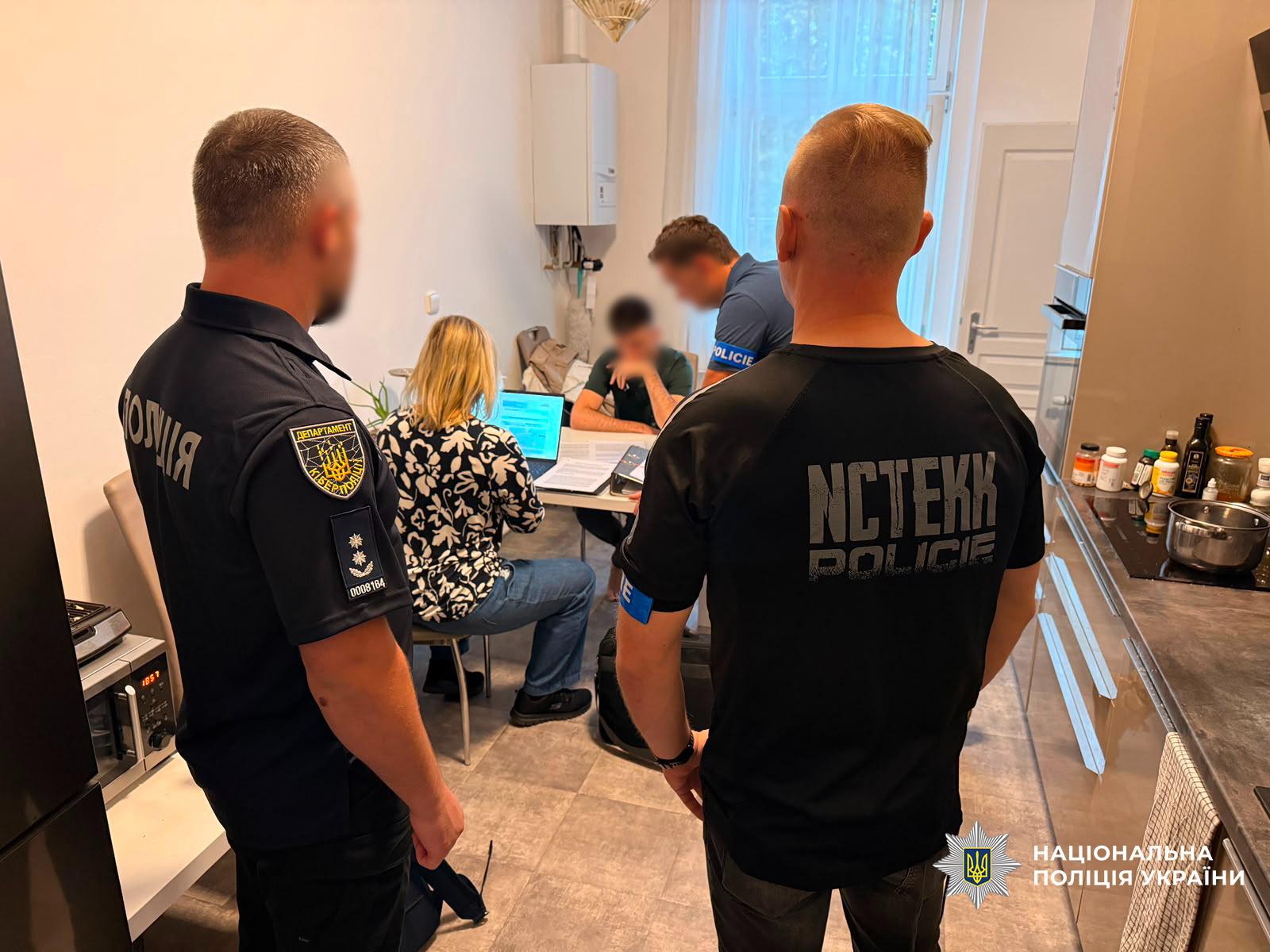
The photograph documents the police operation. The presence of hardware wallets among the seized items does not establish how much cryptocurrency was recoverable. The release announces neither the return of the reported $655,000-plus loss nor a conviction, and it does not give the date of the search.
Before accepting a passive-income offer
The useful question raised by this case is who controls the assets after the transfer. An address supplied by an “investment manager” is not, by itself, evidence of an account you control. Before transferring, independently verify the business and the custody arrangement rather than relying on the person asking for payment.
In separate investment-fraud guidance, Ukraine’s cyberpolice warns against quick or guaranteed returns, payments demanded by unknown people and remote-access software recommended by supposed investment advisers. Those are broader warning signs, not additional allegations about the Prague case. Online promotion can also be tailored to a target’s interests, as described in our coverage of investment scams on Facebook.
If an investment pitch has already led to suspicious transfers, stop further payments and preserve the messages, receiving addresses and transaction records for a report to law enforcement. The central lesson here is a control check: an investment promise cannot substitute for knowing who holds the money.
References
- Ukraine Cyberpolice. Crypto-asset fraud exceeding $655,000: searches in Czechia. September 21, 2026.
- Ukraine Cyberpolice. Passive investment income: how to recognise fraud. June 30, 2026.