The European Commission confirmed on November 19 that a cyber campaign it detected in October involved a publicly available AI tool. The Commission temporarily shut down several applications as a precaution. Most were back by the time of the briefing, and investigators were still assessing the scope.
Four days from detection to confirmation
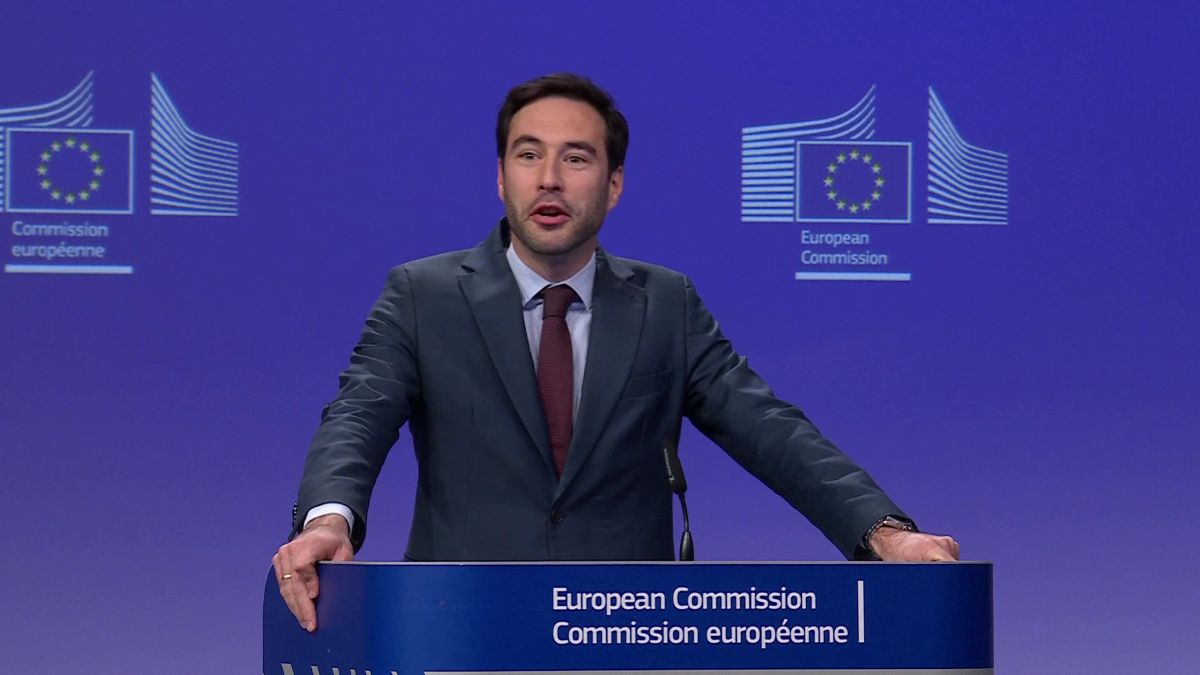
Commission spokesperson Thomas Regnier said the incident was detected on October 22 and confirmed on October 26 after an initial investigation. The Commission then took applications offline, informed the affected services and contacted the European Data Protection Supervisor. It stayed in contact with CERT-EU, the cybersecurity service for EU institutions.
Regnier described a series of incidents and said many elements had been contained. He gave no list of the applications taken offline or a date for full restoration. That distinction matters when reading reports of outages. Taking a service offline can be a way to contain an intrusion while investigators establish which systems were affected.
What the Commission confirmed about AI
Regnier confirmed the use of a public AI tool and discussed how such tools can help attackers find weaknesses. The briefing left the tool’s name, the route into the systems and who was behind the campaign undisclosed. It also left open how much of the activity the tool performed.
Earlier in November, CERT-EU reported seeing AI-assisted campaigns against organizations it serves and assessed that those observations likely involved ARTEX, an AI-enabled security-testing framework. That assessment covers the activity described in CERT-EU’s note. The Commission’s November 19 briefing did not identify ARTEX as the tool used in the October campaign.
What is known about staff data
As of the briefing, the Commission said it had found no evidence of a data breach affecting its staff as a whole. Investigators were still working, and the spokesperson gave no final account of which data might have been accessed. He said he was unaware of any ransom demand to the Commission.
For staff and contractors, the practical distinction is between an application outage and an individual exposure notice. Check the service’s status through your usual internal help desk or portal. If a message about the incident asks you to sign in, reset a password or download a file, verify the request through that established channel before acting. An outage gives impostors a plausible reason to get in touch, as this separate case of fake IT support calls illustrates.
References
- European Commission Audiovisual Service. Cyber campaign against the European Commission, midday press briefing. November 19, 2026.
- CERT-EU. From Penetration Testing to Cyber Threat: Beware of ARTEX. November 5, 2026.